
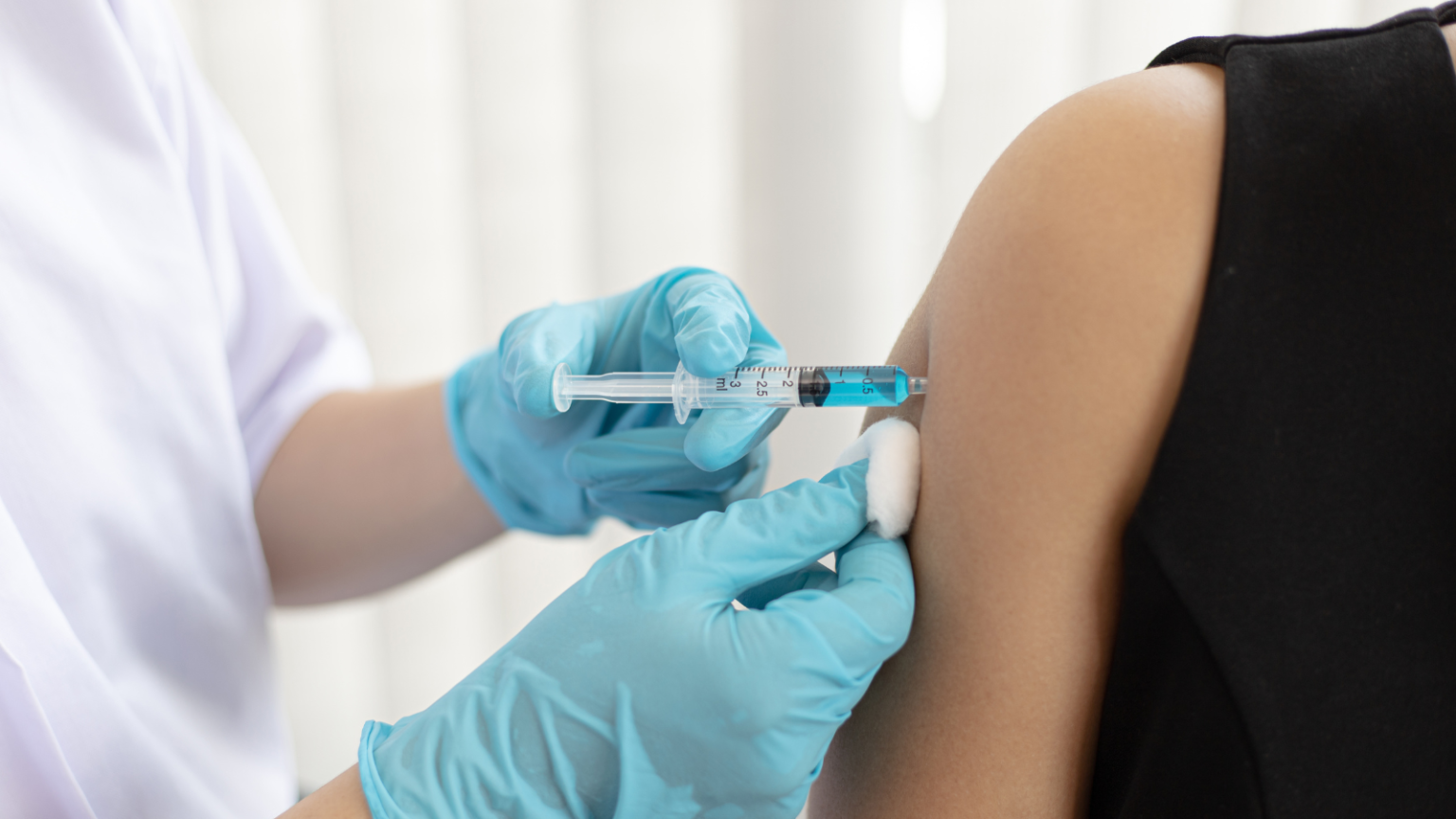
Vaccinations are a widely used tool in modern medicine. They have shaped the way communities respond to infectious diseases, and they continue to play a part in public health programs across the world. Learning what vaccinations are, as well as how they align with health initiatives, may help people understand when they should seek them out.
What Are Vaccinations?
Vaccinations are preparations given to help the body recognize and respond to specific germs, such as bacteria or viruses. Vaccines are typically delivered through an injection. Each vaccine is designed to target a particular illness, and many are grouped together in recommended schedules that span from infancy through adulthood.
Vaccines contain components that resemble a germ or a weakened or inactive form of it. These components prompt the body to build a defense, without causing the illness itself. Medical researchers have developed vaccines for a wide range of conditions, and ongoing study continues to refine how they are produced and delivered. The terms “vaccination” and “immunization” may be used together. A vaccination refers to the act of receiving the vaccine, and immunization describes the broader process by which the body develops protection.
When Should You Receive Them?
The timing of vaccinations depends on several factors, including age, health status, and the specific vaccine involved. Many countries publish recommended schedules, and they outline when certain vaccines are typically given. These schedules often begin in childhood and include follow-up doses, sometimes called boosters, at later stages of life.
Adults may also receive vaccines at various points, depending on their circumstances. Some vaccines are recommended seasonally, and others are suggested before travel to specific regions or in response to particular occupational settings. A medical provider can review your individual situation, offering guidance tailored to your needs.
Vaccination programs may connect with broader public health initiatives. Governments and health organizations can coordinate campaigns to raise awareness and expand access to vaccines within communities. These initiatives may focus on seasonal illnesses, outbreaks, or long-term goals related to disease prevention. By aligning individual choices with these organized efforts, communities can reduce the spread of certain illnesses. Participation in such programs is generally voluntary, and people may seek accurate information from reliable sources when making decisions.
How Do They Work?
Vaccines work by engaging the body’s natural defense system; this is known as the immune system. When a vaccine is introduced, the immune system responds as though it has encountered the actual germ. This response involves the production of specialized cells and proteins that help the body identify the target.
One key element of this process involves antibodies, which are proteins the body creates to recognize specific germs. Once these antibodies are produced, the body retains a form of memory. If the person later encounters the same germ, the immune system may recognize it more quickly, and it responds accordingly. This memory function is the basis for why some vaccines require more than one dose.
Different types of vaccines use different methods to prompt this response. Some rely on weakened forms of a germ, and others use inactivated versions or specific pieces of the germ. Some approaches use genetic instructions, which may guide the body to produce a harmless component for the immune system to recognize.
Consult a Medical Provider
A medical provider can review your health history, discuss recommended schedules, and explain how specific vaccines relate to your circumstances. Reliable information also comes from established public health organizations, and they may update their guidance as new research emerges. Speaking with a medical professional gives you the opportunity to ask about any concerns, allowing you to receive advice suited to your personal situation.