
When neck pain lingers, intensifies, or spreads, it can interfere with sleep, work, and simple movements like turning your head to check traffic. Serious cervical pain is more than occasional stiffness after a long day. It often signals an underlying problem with the muscles, bones, joints, or nerves that support your head and spine. Here’s information on neck pain conditions and their common symptoms:
The Symptoms of Neck Injuries
Neck injuries range from mild strains to more significant whiplash. A strain affects the muscles or tendons, while a sprain involves the ligaments that connect bones. Both often produce aching pain, tenderness, muscle tightness, and reduced range of motion. Some people notice that their neck pain worsens with movement and eases slightly with rest.
Whiplash typically results from a sudden back-and-forth motion of the head, often during a car accident. Symptoms may include neck stiffness, headaches originating at the base of the skull, shoulder pain, dizziness, and fatigue. These injuries usually stem from the overstretching or tearing of soft tissues, and the pain may appear hours or even days after the initial impact. Some other situations that may cause a neck injury include:
- Sports Collisions
- Falls
- Heavy Lifting
The Symptoms of Neck Arthritis
Arthritic conditions are more common with age, and they may progress slowly without obvious warning signs at first. Neck arthritis develops as the cartilage and discs in the cervical spine gradually wear down. As it advances, symptoms can include persistent stiffness and a grinding or popping sensation when turning the head. This often causes dull pain that spreads to the shoulders or upper back.
Some people report that their neck feels worse in the morning and again at the end of the day when managing cervical arthritis. Bone spurs may form along the joints, and in certain cases these growths press on nearby structures, adding to neck discomfort. Reduced flexibility in the cervical spine can make daily tasks, such as driving or reading, more difficult.
The Symptoms of Radiculopathy
Cervical radiculopathy occurs when a nerve root in the neck becomes compressed or irritated, often because of a herniated disc, a bone spur, or narrowed spinal spaces. The hallmark symptom of this condition is pain that travels from the neck into the shoulder, arm, or hand. Unlike a localized muscle ache, this pain tends to follow the affected nerve path. Muscle weakness in the arm or hand can develop, making it harder to grip objects or lift the arm overhead. Many people also experience numbness, tingling, or a pins-and-needles sensation in the fingers.
Diagnose Your Neck Pain With a Pain Specialist
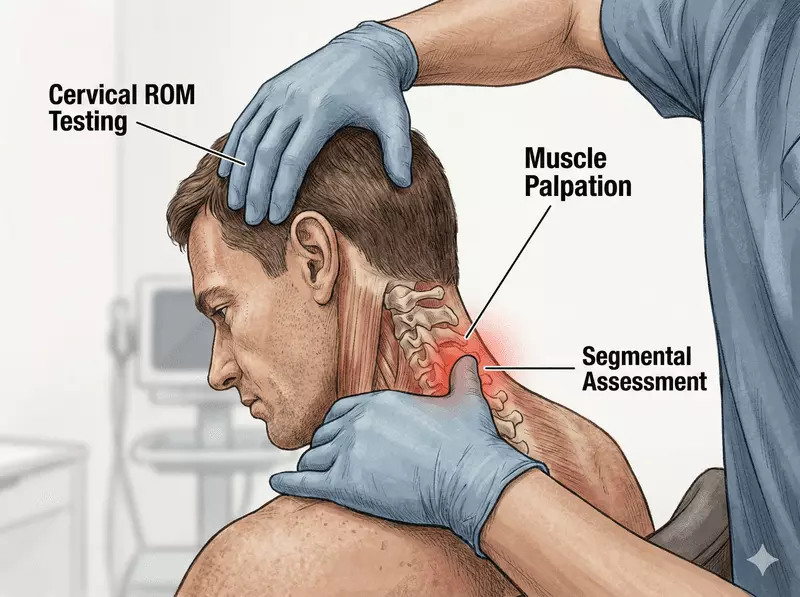
Neck pain has many possible sources, and identifying what is causing your discomfort helps doctors reduce it effectively. A pain specialist can examine your range of motion and evaluate your symptoms to narrow down the likely cause. During this diagnostic phase, imaging tests like X-rays, MRI scans, or CT scans may create images of your cervical spine. Contact a pain specialist to better understand the source of your discomfort and your possible treatment options. Because injuries, arthritis, and radiculopathy can share overlapping symptoms, a professional evaluation helps distinguish one condition from another.