
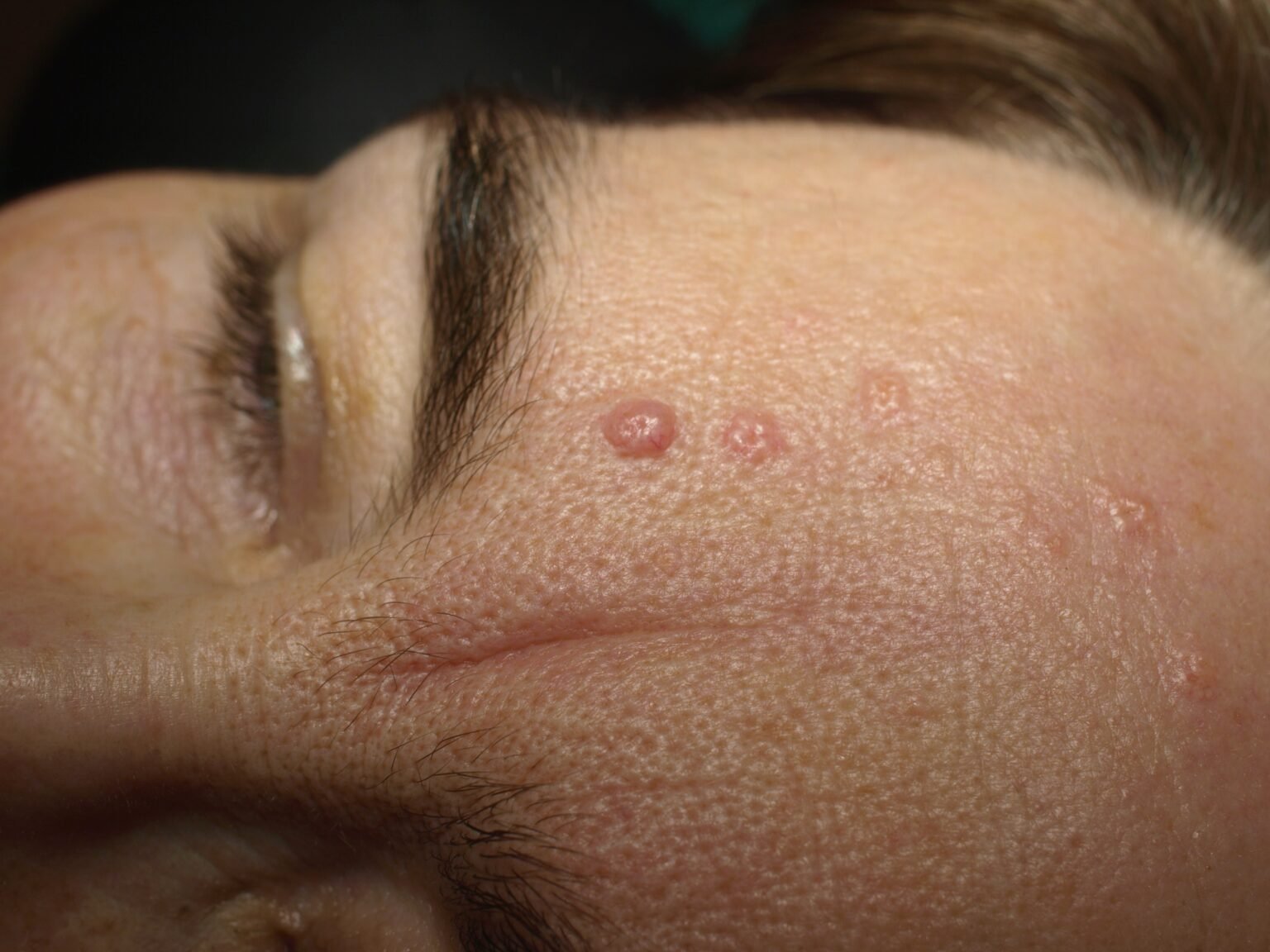
Seborrheic keratosis is a skin growth that appears with age, and these waxy, raised spots show up on the face, chest, back, or shoulders. Colors range from light tan to dark brown, and the surface looks scaly. You may notice one spot, while several may cluster together over time. This is what these growths are, why they form, and how professionals remove them safely:
Noncancerous Tumors
Seborrheic keratosis is benign, and it does not spread to other tissue. These growths look stuck onto the skin, giving them a distinct pasted-on appearance. When a spot changes shape or bleeds, a professional exam helps rule out other conditions.
People may mistake these growths for warts or moles. Since appearances vary, a trained specialist confirms the diagnosis through close inspection. The texture feels rough or slightly greasy, and the edges stay well defined. Pre-treatment guidance keeps the process smooth, so follow these steps before your appointment:
- Avoid sun exposure on the treatment area.
- Skip harsh exfoliants for several days.
- Tell your provider about current medications.
Older Adults
Age plays a large role in when seborrheic keratosis growths appear. Many people notice their first spots during middle age, and new ones develop slowly. If you track changes in your skin, you gain useful information for your provider.
Younger adults sometimes develop them too, though this typically happens less often. The number of growths may increase over the years. Sun exposure may influence where they form, but research is still ongoing.
Genetic Factors
Family history influences your likelihood of developing these spots. If your parents had many growths, you may see a similar pattern. Genetics do not guarantee an outcome, though they shape your baseline risk.
Doctors may link certain genes to how these growths form. The tendency runs in families, and multiple relatives typically share it. When you know your family background, you help your provider set clear expectations.
Lifestyle factors matter less here than genetics do. You cannot prevent these growths through skincare alone. Since heredity drives many cases, removal remains the main option for bothersome spots.
Frozen or Shaved Treatments
Providers use several methods to remove seborrheic keratosis. The right approach depends on the spot’s size, location, and thickness. A specialist reviews your skin first, then recommends a specific technique. Typical removal options include the following:
- Cryotherapy: liquid nitrogen freezes the growth, and it falls off later.
- Curettage: a provider scrapes the spot after numbing the area.
- Electrocautery: controlled heat removes the tissue in a short session.
- Shave excision: a blade shaves the growth level with the skin.
Each method carries different aftercare steps, and healing times vary. Cryotherapy may leave a lighter patch, while shaving leaves a small flat area. Since results differ by skin type, your provider explains what to expect for you.
These simple actions support cleaner treatment conditions. When you prepare well, the session may move faster and more comfortably. Your provider adjusts the plan based on your health history.
Schedule a Seborrheic Keratosis Consultation
Seborrheic keratosis is harmless, though removal remains an option for cosmetic or comfort reasons. Trained specialists examine each spot and explain your choices clearly. If a growth changes quickly, we help you decide on next steps. Book a consultation today, and let our experienced staff guide your personalized treatment plan.