
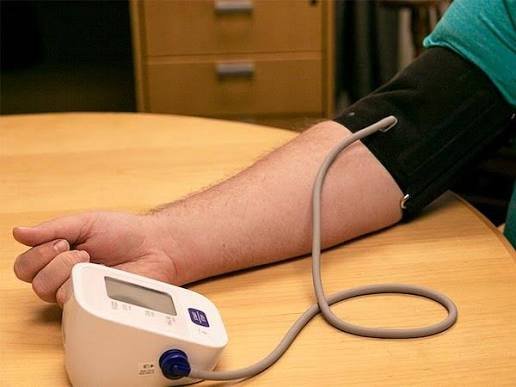
Blood pressure is a common measure of overall health. Hypertension, often called high blood pressure, affects a large portion of adults worldwide. It frequently develops without noticeable signs, and this is why it is sometimes described as a silent condition. Learning what raises the risk of hypertension can help you take a more active role in your long-term wellness.
What Is Hypertension?
Blood pressure measures the force of blood pushing against the walls of your arteries as your heart pumps. Every reading includes two numbers. The top number is called systolic pressure, and it reflects the force when the heart beats. The bottom number, called diastolic pressure, reflects the force when the heart rests between beats. Both figures are recorded in millimeters of mercury, written as mm Hg.
Hypertension occurs when blood pressure remains elevated over an extended period. Health organizations generally define elevated readings as those that consistently sit above a set range. Blood pressure naturally shifts throughout the day, so a single high reading does not confirm hypertension. Physical activity, stress, and even the time of measurement can influence the result. For this reason, medical professionals rely on repeated readings taken across several visits before reaching a conclusion.
What Are the Risk Factors?
Several factors can raise the likelihood of developing hypertension. Some of these are within a person’s control, and others are not. Age is one common factor, as blood pressure tends to rise gradually over the years. Family history also plays a role, since the condition can run in families. Individuals with close relatives who have hypertension may face a higher chance of developing it themselves.
Lifestyle choices contribute as well. Diets high in salt, as well as low levels of physical activity and excessive alcohol intake, are frequently associated with elevated blood pressure. Tobacco use is another factor often linked to changes in cardiovascular health, and carrying excess body weight can add strain to the heart and circulatory system.
Certain health conditions may also influence blood pressure. Diabetes and kidney concerns are sometimes connected to hypertension, as well as ongoing stress. These factors often overlap, and addressing several at once may support better overall results.
How Is It Managed?
Once a diagnosis is established, management often centers on lifestyle adjustments and medical guidance. Common recommendations may include reducing salt intake, increasing physical activity, maintaining a balanced diet, and limiting alcohol. Reaching and maintaining a healthy weight is another approach that supports cardiovascular health. A medical provider may discuss additional options tailored to an individual’s needs in certain cases. Regular follow-up appointments allow providers to track progress, and they can adjust guidance over time. Consistent monitoring helps individuals stay informed about how their blood pressure responds to changes in daily habits.
Consult a Heart Health Specialist
Hypertension is a manageable condition when understood and monitored with care. Regular blood pressure checks, awareness of personal risk factors, and steady attention to daily habits all contribute to a clearer picture of cardiovascular health. Because the condition often develops quietly, staying informed remains a practical step. A heart health specialist will review your individual circumstances, and they can outline an approach suited to your needs.