
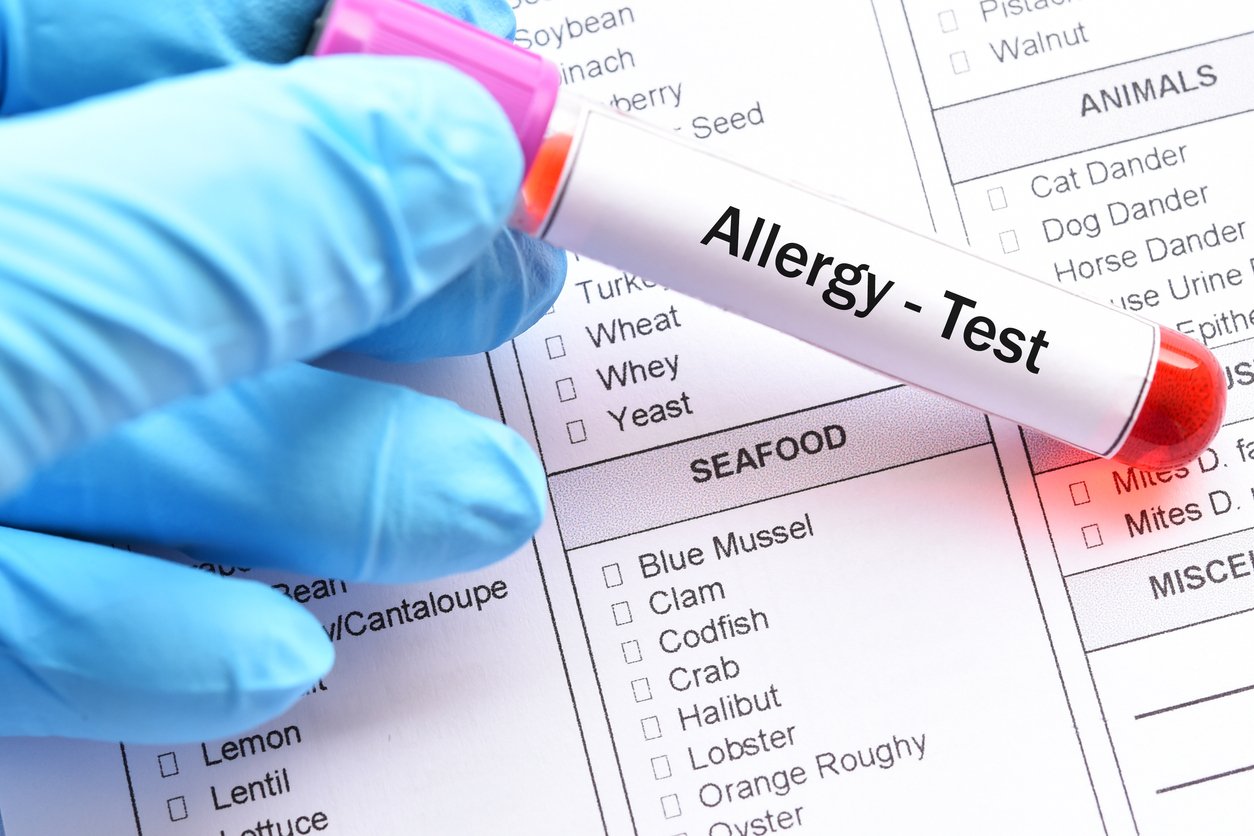
Food allergies affect people of all ages, and individuals live with them around the world. A food allergy occurs when the body reacts to a specific food, as though it were harmful. This reaction can range from mild discomfort to a serious response that requires immediate attention. Identifying the source of a reaction via allergy testing is the first step toward managing daily life with allergies.
What Are Food Allergies?
A food allergy is a response from the immune system, reacting to a particular food or ingredient. When a person with a food allergy eats the trigger food, the body treats it as a threat, and it releases chemicals in an attempt to protect itself. These chemicals produce the symptoms associated with an allergic reaction.
Common symptoms can include hives, itching, swelling of the lips or face, or nausea. Some reactions appear within minutes, and others may take longer to develop. A severe reaction, known as anaphylaxis, can affect breathing and calls for emergency care.
Some foods account for the majority of allergic reactions, and this includes peanuts, tree nuts, milk, eggs, wheat, soy, fish, and shellfish. A person can develop an allergy to nearly any food. It may also help to know the difference between a food allergy and a food intolerance. A food intolerance, such as difficulty digesting lactose, involves the digestive system rather than the immune system and generally does not cause the same type of reaction.
What Is Allergy Testing?
Allergy testing helps identify the specific foods or substances that trigger a reaction. Because symptoms overlap with other conditions, testing offers a clearer picture of what may be causing the problem. A healthcare provider typically begins by reviewing a person’s medical history, and they can discuss past reactions before recommending a suitable test. Several types of testing are commonly used, including skin prick testing.
A small amount of a suspected allergen is placed on the skin, usually on the back. The skin is then lightly pricked so the substance can enter the surface. A raised bump may appear, and this points to sensitivity to that allergen. Testing results are reviewed alongside other information to reach an accurate conclusion.
How Are They Treated?
There is currently no cure for food allergies, so management focuses on avoiding triggers and responding to reactions. The most direct approach involves steering clear of the foods that cause symptoms. In certain cases, a provider may discuss oral immunotherapy, a supervised process in which a person gradually consumes small amounts of an allergen over time to build tolerance. A management plan is tailored to each person and often includes guidance on recognizing early warning signs and knowing when to seek emergency care. Regular follow-up allows a provider to adjust the plan as needs change.
Meet With an Allergy Specialist
Living with a food allergy can be manageable once you understand your triggers and have a clear plan in place. An allergy specialist may evaluate your symptoms, and they will recommend an appropriate testing method. With accurate information and ongoing support, you can take practical steps toward protecting your health and enjoying daily meals.