
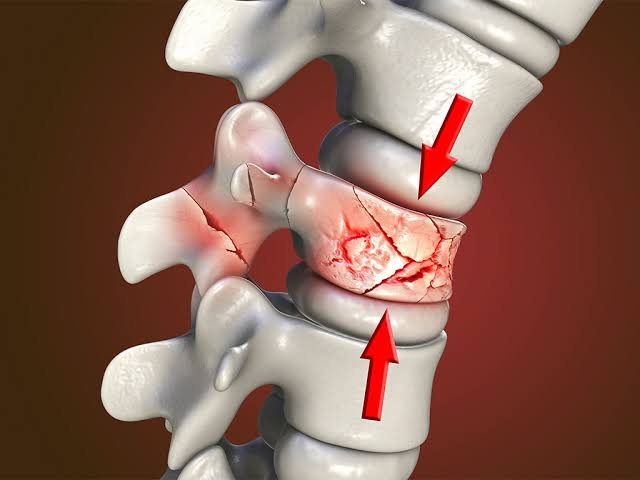
A spine fracture happens when one of the bones in your back cracks or collapses. These injuries often follow a fall or accident, but they sometimes stem from weakened bones. When a fracture goes untreated, complications like nerve damage or lasting pain may follow. Here are a few steady habits to help you protect your back and recover well:
Lift Properly
Lifting the wrong way puts sudden pressure on your spine. Bend at your knees, and keep the object close to your body. When you lift with your legs instead of your back, you spread the load across stronger muscles. This small change lowers the strain that could lead to a spine fracture.
Poor form during daily tasks adds up over time. Keep these points in mind whenever you pick something up:
- Face the object squarely before you lift
- Hold heavy items at waist level
- Ask for help with bulky loads
You protect your recovery when you slow down. Rushing a lift feels harmless, but it invites a fresh injury. A calm, steady approach keeps your spine aligned, and it saves you from setbacks.
Avoid Twisting
Twisting motions place uneven stress on healing bones. Move your whole body when you turn, and step in the direction you want to face. This habit keeps your spine stable while you shift your weight. Reaching across your body forces the vertebrae to rotate in ways that slow healing.
Small movements matter during recovery, so plan your reach in advance. When you set up your space thoughtfully, you cut down on awkward stretches. Place items you use often within easy range, and stack them at a comfortable height.
Evaluate Osteoporosis Risk
Osteoporosis thins your bones and increases your risk of fractures. A bone density scan measures your bone strength, and it gives your doctor a clear picture. When you know your risk early, you and your care team plan the right steps. Certain factors make this condition more likely.
Watch for these common risk factors:
- Older age
- Genetic history of fractures
- Low body weight
- Long-term steroid use
Talk with your doctor about screening if these apply to you. Early testing helps guide your daily choices, and it shapes your treatment plan. When your bones stay strong, you face fewer complications after an injury.
Take Supplements
Calcium and vitamin D support bone health during recovery. Ask your doctor which amounts fit your situation, since needs vary from person to person. When you pair supplements with a balanced diet, your body gets steady nutrients. This combination gives your bones the building blocks they use to repair.
Timing and dosage affect how well your body absorbs these nutrients. Take supplements as directed, and pair them with meals when your doctor advises it. Never start a new supplement without checking first, because some interact with medications you already take.
Find Spine Fracture Treatment Today
A spine fracture needs proper attention from a trained provider. These habits support your daily routine, but they do not replace medical care. When you notice back pain, numbness, or weakness, reach out to a professional right away, because prompt evaluation helps your team catch problems before they grow. Reach out to a medical team today to book your consultation; they review your symptoms and they walk you through your next steps.