
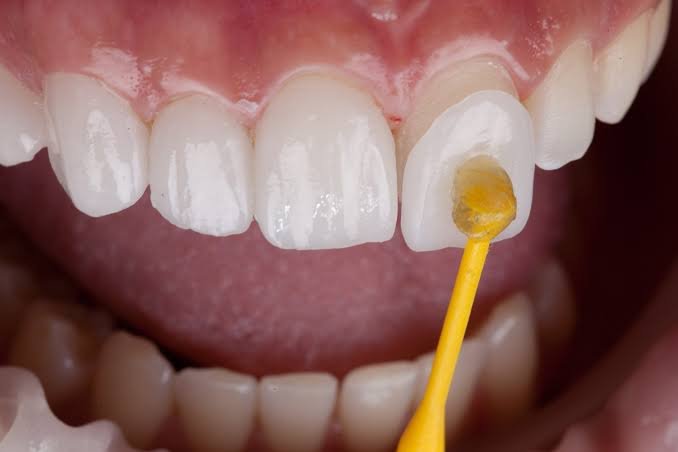
Veneers are thin shells that cover the front of your teeth, and a dentist bonds them to the enamel. Made from porcelain or composite resin, they address a range of surface concerns. If you want a change in tooth shape or color, veneers offer one path. Here is more information about the role of these restorations:
Masking Imperfections
Chips and small cracks may be noticeable. A veneer covers these flaws, and it restores an even surface across the tooth. Since the shell fits over the existing structure, your dentist removes only a thin layer of enamel. This approach keeps more of your natural tooth intact.
Some teeth show worn edges from years of use. Veneers sit over the surface, so the shape looks fuller again. When you talk with your dentist about coverage, you review the shade and thickness together, and the plan reflects your specific teeth.
Closing Gaps
Spaces between teeth may be an issue. Veneers add width to each tooth, and they reduce the gap without moving the roots. Since the shells widen the visible surface, small spaces close in a single treatment. Your dentist measures each gap first.
Wider gaps sometimes need other steps before veneers. A dentist reviews your bite, and a combined plan may include alignment work. If braces or aligners come first, veneers follow once the teeth settle, and you get a clear timeline for each stage.
Veneers give your smile a uniform appearance, making them an ideal option for many patients. While the process is straightforward, it’s wise to discuss all options with your dentist to make sure veneers are the right solution for your specific needs. They are simple to apply and can dramatically improve your look.
Resisting Stains
Porcelain has a smooth, sealed surface. It resists many stains, and daily habits affect it less than natural enamel. Since the material does not absorb color the way teeth do, coffee and tea leave less mark. Composite veneers respond differently over time.
Everyday care still matters with veneers. You brush twice daily, and you keep regular cleanings on schedule. Since some drinks and foods still stain the edges where veneers meet natural teeth, ask your dentist how to protect these margins.
Regular visits let your dentist check the bond. A quick exam spots wear early, and small fixes stay simple. Since veneers sit on living teeth, the gums and roots need ongoing attention. Keep these habits in mind:
- Brush with a non-abrasive toothpaste
- Attend cleanings twice a year
- Limit staining drinks near the veneer edges
Mimicking Natural Enamel
Porcelain reflects light in a way that resembles enamel, and this quality helps veneers blend with your other teeth. Since your dentist matches the shade to nearby teeth, the result looks consistent across your smile. Custom shaping adds to that effect.
Each veneer is made to fit one tooth. A dental lab builds the shell, and your dentist checks the fit before bonding. When the color and contour match your natural teeth, the veneer stays hard to spot. A few features shape a natural appearance:
- Shade matched to neighboring teeth
- Contour that follows your bite
- Surface texture similar to enamel
Schedule a Visit for Veneers
A consultation clarifies your options, and your dentist reviews the health of your teeth first. As every mouth differs, the assessment covers enamel thickness, bite, and gum condition. Call a dentist and pick a time that fits your week, and if you have questions about insurance, the front desk explains the details in plain terms. Schedule your consultation to learn whether veneers match your goals.