
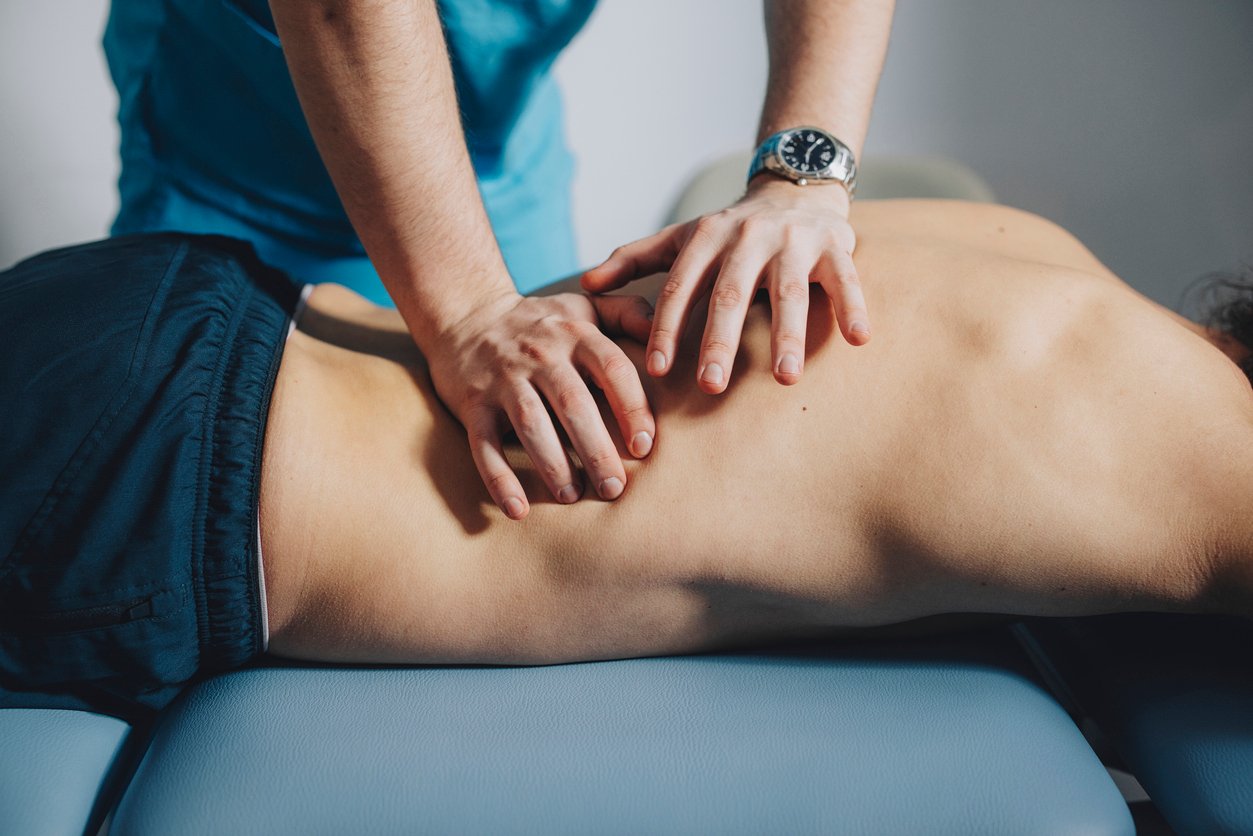
Lower back pain affects adults of all ages. Daily work, sports injuries, and age-related changes all contribute, so the causes vary widely. Acting early matters because prompt care can limit progression. A timely evaluation helps identify the source and guide treatment.
Symptoms Worth Recognizing Early
Lower back pain patterns often reveal the underlying condition, and paying attention to them early will guide you. A herniated disc happens when a disc’s outer cover weakens, and the inner gel pushes out. If the outer cover cracks fully, the inner substance leaks out and presses on nearby nerves. Radiculopathy occurs when a lumbar condition compresses the spinal nerve roots, so pain can travel to your feet. Neurogenic claudication is another condition worth recognizing. Sacroiliac joint pain often causes lower back or buttock discomfort. These patterns are not random; they point to specific structures in your spine. Identifying them early helps your provider act before the problem advances.
Conditions Worsening Without Care
Some lower back problems develop gradually, and that slow progression can make them easy to dismiss early on. Spondylosis comes from age-related degenerative changes, and it affects the vertebral bodies, discs, and facet joints. Over time, these changes can reduce flexibility and cause persistent stiffness or aching. They may worsen without proper management. Spondylolisthesis occurs when one vertebra slips onto the vertebra below it, so nerve compression or spinal instability can follow. The slip is sometimes mild at first, but it sometimes worsens with activity, and it may eventually limit your ability to stand or walk comfortably.
Spinal stenosis develops when damaged discs, bone spurs, and thickened ligaments narrow the spinal canal, and this narrowing can compress the cord or pinch nearby nerves. Central stenosis affects the spinal cord itself, while foraminal stenosis pinches nerves as they exit the spine. Lateral recess stenosis compresses nerves just before they reach the foramen. Compression fractures are also worth noting. They occur when vertebrae weaken due to osteoporosis and collapse under pressure. These conditions rarely reverse on their own, so early evaluation gives you more treatment options.
Treatment Options Available
Conservative treatment options often include:
- Physical therapy: Targeted exercises to build strength and support spinal stability
- Pain management: Strategies to reduce discomfort and improve daily function
- Activity modification: Guidance on movement to avoid aggravating your condition
- Progress monitoring: Regular check-ins to adjust your plan as your condition responds
From there, your provider matches therapy to your specific condition. They recommend surgery only when it is needed. Delaying care sometimes allows a manageable condition to worsen, and it may reduce the effectiveness of non-surgical options over time. When treatment begins sooner, you may avoid added strain on surrounding structures. You keep more options open for restoring mobility. Taking that first step puts you in a better position to manage your symptoms and maintain your quality of life.
Treat Lower Back Pain Today
Early intervention supports outcomes for lower back pain. Recognize the signs, understand your condition, and seek care before symptoms advance. Your provider offers treatments to ease pain and restore mobility, so you do not have to manage the problem alone. Call the practice today to schedule an evaluation, since you can begin treatment tailored to your needs.