
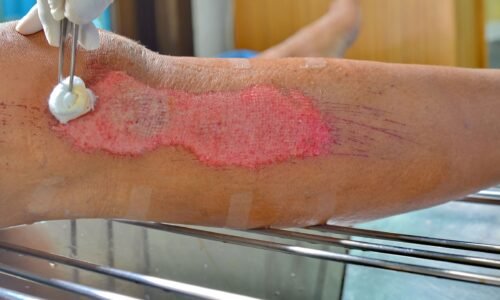
Minor cuts and scrapes heal on their own with basic first aid. Since some wounds need more attention, knowing the difference matters for your health. Here are some signs that suggest specialized wound care is needed, so you will learn what to watch for and when to seek prompt medical help:
Non-healing Wounds
A minor wound typically closes within a few weeks. When a wound stays open for four to six weeks, that delay signals a problem worth checking. You might notice little change in size, and the edges may look the same as day one.
Since slow healing points to an underlying issue, a clinician will examine the area closely. Poor circulation, pressure, or infection can stall the process, and each cause needs a different approach to wound care. Early attention helps a wound that refuses to close. Watch for wounds that reopen after they seem healed.
Infected Areas
Infection changes how a wound looks and feels. You may see redness spreading outward, and the skin nearby often feels warm. For some patients, swelling, pus, or a bad smell suggests bacteria have taken hold.
Since untreated infections spread quickly, early treatment limits the damage. A fever alongside a red, tender wound points to a deeper problem, and that combination calls for same-day care. Watch these warning signs closely:
- Redness expanding beyond the wound edges
- Discharge with an odor
- Pain that increases instead of gradual relief
- Fever or chills paired with a warm, swollen area
Diabetic Foot Wounds
Diabetes affects how wounds heal, especially on the feet. High blood sugar slows repair, and nerve damage may hide pain that would normally warn you. A small blister can turn serious before you notice it.
Since reduced sensation masks injury, daily foot checks help you spot trouble early. You might find a sore you never felt, and that discovery needs quick action. Never wait to have a diabetic foot wound examined.
Poor circulation may compound the risk for people with diabetes. A wound that darkens or smells foul signals tissue damage, and prompt care protects the surrounding area. Regular monitoring gives you a clear picture of your skin’s condition.
Post-surgical Care
Surgical incisions follow a predictable healing pattern. When that pattern breaks, the change deserves a closer look, and a few signs stand out. Increased pain, drainage, or separation at the incision line points to a complication.
Since incisions carry infection risk, follow your discharge instructions carefully. Keep the site clean and dry, and report any sudden redness or fever. Watch for these post-surgical warning signs:
- Incision edges pulling apart
- Drainage that is cloudy or foul-smelling
- Inflammation that worsens after the first few days
- Fever symptoms
Your surgeon’s team wants to hear about problems early. A stitch that pops or a wound that gapes needs review, and quick reporting keeps small issues small. Reach out when something feels off.
Schedule Wound Care Near You
Recognizing the right time for care protects you from bigger problems. Foot and ankle clinics offer walk-in wound evaluation with extended and weekend hours. No appointment is needed, and our teams handle both insured and out-of-pocket visits. If a wound worries you, stop by a convenient location near you today.