
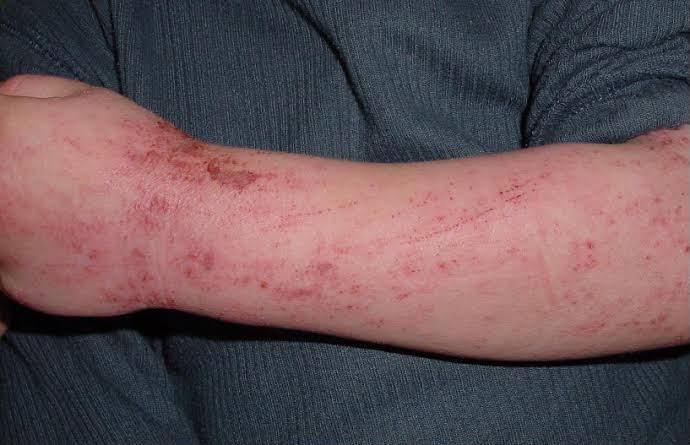
Allergies can affect children and sometimes involve the skin, respiratory system, or reactions to certain foods or environmental substances. Symptoms vary among children, and allergy testing helps providers identify substances associated with specific reactions. An allergy specialist can evaluate symptoms and discuss testing or treatment options based on a child’s individual needs. Here is more information about identifying allergies in infants and young children:
Recognizing Common Symptoms
Allergies can appear differently among infants and toddlers, depending on the substance involved and the child’s individual response. Parents are able to notice changes involving the skin, digestive system, eyes, or respiratory system. Common symptoms are able to include:
- Noticing skin changes: Hives, eczema, or redness may appear on different areas of the body.
- Observing digestive changes: Vomiting or loose stools are able to occur following exposure to certain substances.
- Identifying nasal symptoms: Congestion, sneezing, or a runny nose may accompany certain reactions.
- Watching eye symptoms: Watery or itchy eyes sometimes develop after exposure to an allergen.
- Monitoring breathing symptoms: Coughing or wheezing is able to occur during some allergic reactions.
The timing and pattern of symptoms can provide useful information during an allergy evaluation. Parents are able to track when symptoms begin, how long they last, and whether they follow exposure to specific foods or environmental substances. An allergy specialist can review these observations and discuss appropriate testing or treatment options based on the child’s symptoms.
Identifying Frequent Triggers
Infants and toddlers may encounter allergens through foods and their surrounding environment. Foods commonly associated with allergic reactions include milk, eggs, peanuts, tree nuts, soy, wheat, fish, and shellfish. Individual reactions vary, so a healthcare provider evaluates symptoms and possible food-related triggers based on each child’s history.
Environmental substances may also contribute to allergy symptoms in some children. Dust mites, pet dander, pollen, and mold are among the allergens that providers are able to evaluate when respiratory or skin symptoms occur. Changes in symptoms during different seasons can provide additional information about possible environmental exposures.
Parents are able to document foods, activities, environmental exposures, and symptoms to discuss during an allergy evaluation. Recording when symptoms appear and how long they last helps identify patterns over time. An allergy specialist can review this information and discuss appropriate testing or treatment options based on the child’s individual needs.
Tracking Reactions Over Time
Keeping a record of possible allergic reactions can provide information for a child’s allergy evaluation. Parents are able to document the date, suspected exposure, symptoms, and how long each reaction lasts. A food diary helps track foods and symptoms as infants begin eating different foods. An allergy specialist can review these observations alongside the child’s medical history when discussing possible triggers, testing, and appropriate next steps.
Seeking Professional Testing
An allergy evaluation provides an opportunity to investigate possible triggers behind a child’s symptoms. A specialist reviews medical history, reported reactions, and patterns associated with food or environmental exposures. Skin testing or other diagnostic methods may form part of the evaluation based on the child’s symptoms and individual needs.
The provider reviews examination findings and test results before discussing possible allergens and next steps. Testing recommendations vary depending on the child’s age, medical history, symptoms, and suspected exposures. An allergy specialist can use this information to discuss an individualized approach to ongoing allergy care.
Learn More About Allergies
Sometimes allergy symptoms in children involve the skin, digestive system, eyes, or respiratory system. An allergy specialist is also able to review symptoms, medical history, and possible food or environmental triggers during an evaluation. Testing may also provide additional information that guides recommendations based on the child’s individual needs. Schedule an allergy evaluation today to discuss your child’s symptoms and available testing or treatment options.