
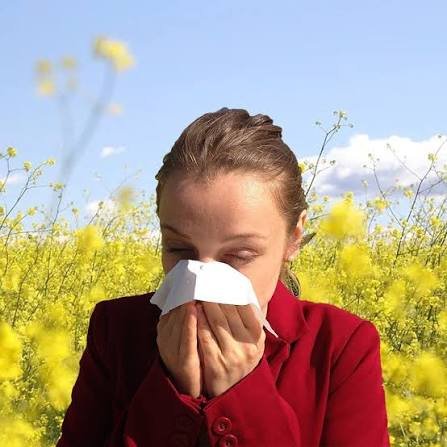
-Nasal allergies occur when the immune system reacts to airborne substances that are generally harmless. Exposure may cause sneezing, congestion, itching, and a runny nose, with symptoms varying by season and environment. Here are some common allergens that trigger nasal allergies:
Exposure To Seasonal Pollen
Pollen comes from trees, grasses, and weeds, and it travels through the air during specific times of the year. Spring brings tree pollen, summer often carries grass pollen, and fall introduces weed pollen such as ragweed. When you breathe in these tiny particles, it may lead to nasal allergies, and outdoor activities often make things worse. Here are a few habits that can lower your exposure:
- Check daily pollen counts: Local weather reports share these numbers so you can plan outdoor time.
- Keep windows closed: Sealing your home limits pollen from drifting inside.
- Shower after outdoor activity: Taking a shower removes pollen from your skin and hair.
- Wear sunglasses outside: They create a barrier that shields your eyes.
These habits will not stop pollen entirely, but they reduce how much reaches you.
Household Dust Mites
Dust mites are microscopic creatures that live in bedding, carpets, and upholstered furniture. They feed on tiny flakes of skin, and they thrive in warm and humid spaces. You cannot see them, but they can trigger nasal allergies year-round.
Reducing dust mites takes consistent effort. Washing bedding in hot water each week can kill mites, and it removes the particles they leave behind. You can also cover mattresses and pillows with allergen-proof covers, which block mites from settling in. Lowering indoor humidity makes your home less welcoming to them, so a dehumidifier can be a smart addition.
Indoor and Outdoor Mold
Mold is a type of fungus that grows in damp areas, and it releases tiny spores into the air. You may find it outdoors in piles of leaves or indoors in bathrooms, basements, and around leaky pipes. When you breathe in mold spores, your nasal passages often react, and symptoms can appear in any season. Humid climates and poorly ventilated rooms tend to encourage mold growth. Here are a few ways to control moisture and limit mold:
- Fix leaks quickly: Repairing pipes and roofs removes the water mold needs.
- Run exhaust fans: Using fans in bathrooms and kitchens clears damp air.
- Clean visible mold: Wiping affected surfaces stops spores from spreading.
- Empty standing water: Draining plant trays and gutters cuts off moisture sources.
Pet Dander and Saliva
Pet dander consists of tiny skin flakes that cats, dogs, and other animals shed. Proteins in an animal’s saliva and urine can also spread through the air and settle on surfaces. You may react even without touching a pet; these particles linger on furniture, clothing, and carpets for a long time. Homes with pets often carry dander in rooms the animal never enters.
Managing pet allergens does not always mean giving up your companion. Keeping pets out of bedrooms creates a lower-allergen space, and washing your hands after contact reduces spread. Bathing pets regularly may lower the dander they release, while frequent vacuuming clears what settles on floors.
Schedule Your Nasal Allergies Appointment
Pollen, dust mites, mold, and pet dander are among the common causes of nasal allergies. Knowing your triggers is the foundation of lasting relief, and a proper diagnosis removes the guesswork. When needed, a specialist can provide a precise approach tailored to your triggers. Contact a qualified allergist in your area to schedule your appointment for nasal allergies today.