
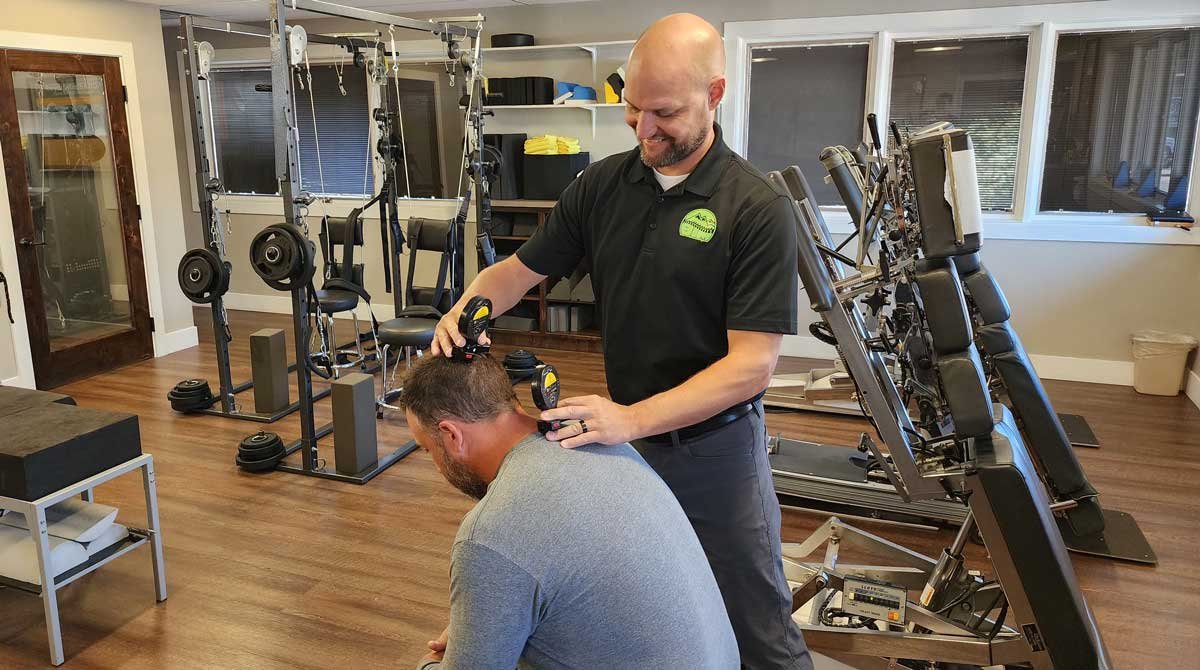
A neck injury can significantly disrupt daily activities and limit range of motion; common conditions include whiplash, muscle strains, herniated discs, and cervical fractures. Because these injuries vary in type and severity, they affect a person’s ability to perform basic tasks in different ways. Recovery requires a carefully structured approach. Here is more information on neck injuries and the rehabilitation process:
What Is a Neck Injury?
When damage affects the cervical spine, muscles, ligaments, or nerves within the neck region, it may be classified as a neck injury. These injuries result from sudden trauma such as a car accident, or they develop gradually through poor posture and repetitive strain. Common types include whiplash, muscle strains, herniated discs, and pinched nerves.
Symptoms vary by severity and location. They range from mild discomfort to significant functional impairment. Some patients experience stiffness and reduced mobility, while others report sharp pain, headaches, or numbness that radiates into the arms. If symptoms persist beyond a few days, a medical evaluation is recommended to identify the underlying cause and determine the most appropriate treatment path.
What Is Neck Injury Rehabilitation?
Since neck injuries can limit mobility and strength while causing pain, rehabilitation uses a structured treatment program to help restore function in the affected area. A specialist typically oversees the process, and their involvement makes sure that each stage of recovery is carefully monitored. The program adapts to each patient based on the injury type, severity, and individual recovery goals.
Rehabilitation begins with an initial assessment that evaluates range of motion, pain levels, and physical limitations; this evaluation facilitates the development of a personalized treatment plan. As recovery progresses, the specialist adjusts the plan to match improving strength and mobility. Each modification aligns with the patient’s current condition and long-term recovery objectives.
What Does Rehabilitation Involve?
Rehabilitation combines several therapies that work together to promote healing, and the specific approach depends on the diagnosis and how the body responds to treatment. A typical program may include:
- Manual therapy: Hands-on techniques that reduce stiffness and improve circulation.
- Therapeutic exercises: Targeted stretches and strengthening movements that rebuild muscle support around the cervical spine.
- Pain management techniques: The application of heat, ice, or electrical stimulation to reduce pain and inflammation during recovery.
Patient education is a core component of rehabilitation. It teaches individuals proper posture and movement habits, which are key for preventing reinjury and supporting long-term recovery.
What Are the Benefits?
Rehabilitation offers benefits that extend beyond short-term pain relief, and these advantages are both functional and preventative. Restoring range of motion helps patients return to work, hobbies, and everyday tasks more easily. Because the muscles around the neck strengthen throughout the program, the risk of future injury may decrease. A well-managed rehabilitation program may reduce reliance on pain medication. As patients move through each phase of treatment, better body mechanics support long-term spinal health and sustained recovery.
Know What To Expect
Neck injury rehabilitation starts with an initial assessment, and it continues through long-term recovery. The process addresses pain, rebuilds strength, and restores the mobility needed for daily life. Understanding each stage helps you approach treatment with realistic expectations. If you’re recovering from a neck injury, speak with a specialist about a program suited to your needs. Early, guided treatment helps you achieve a full, lasting recovery.