
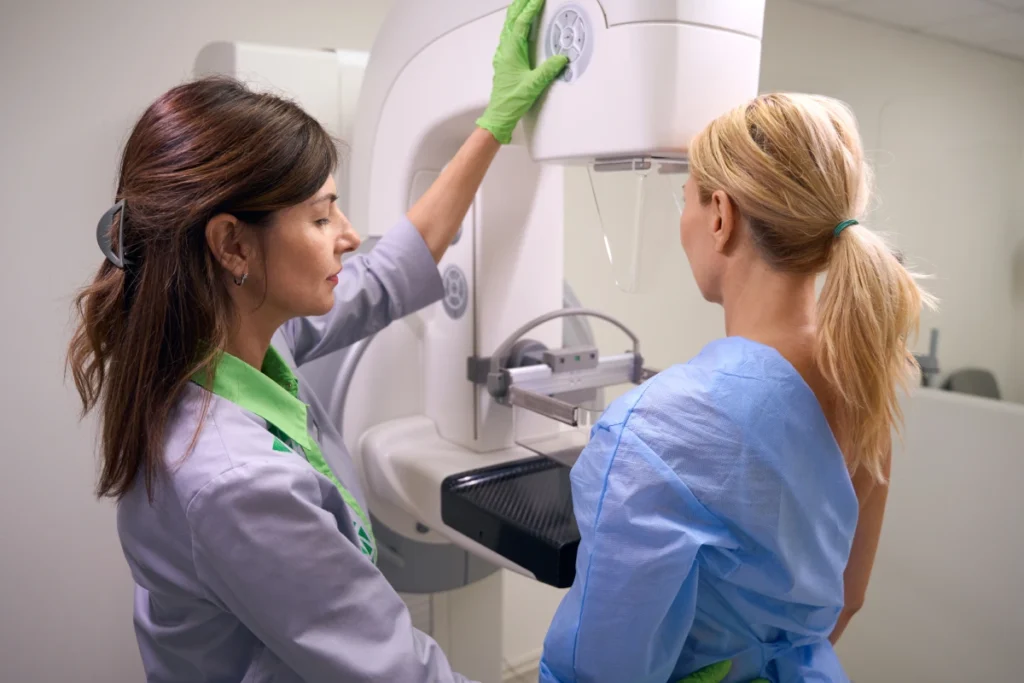
Women’s health centers focus on women’s medical needs at every stage of life, offering healthcare services like annual exams, reproductive care, pregnancy support, and preventive screenings. Many centers also provide breast health services, which are central to comprehensive women’s healthcare. By bringing these services together under one roof, these centers help women stay informed about their bodies and access timely, coordinated care. Here’s information on the role of breast screenings in comprehensive women’s health plans:
How Common Is Breast Cancer?
Breast cancer is one of the most frequently diagnosed cancers among women in the United States, with about 1 in 8 women being diagnosed with invasive breast cancer. Age, family history, and certain genetic factors can influence individual risk levels. Understanding these numbers gives context for why breast health receives so much attention in women’s care. Early detection often broadens the range of available options and can support better outcomes over time. Awareness alone does not replace regular medical evaluation, but it can encourage people to prioritize routine women’s health visits.
What Are Breast Health Screenings?
A breast health screening examines breast tissue for changes before symptoms appear, helping medical professionals identify areas that may need further review. Different screening methods serve different purposes depending on age, risk, and prior findings. Most screenings begin with a physical exam performed by a clinician who checks for lumps, thickening, or other changes.
Mammography, a low-dose X-ray of the breast, is a common imaging method. In some cases, an ultrasound or MRI may be added to gather more detailed images. During a mammogram, the breast is briefly compressed between two plates so the machine can capture clear images. The process usually takes only a few minutes per breast, and the clinician then reviews the images and shares the results.
Screening schedules vary based on age, personal history, and risk factors. Many guidelines suggest that women begin regular mammograms in their 40s, though some may start earlier if they have elevated risk. Women with a strong family history or genetic predisposition may follow a customized schedule set by their provider. If you notice a new lump, skin change, or unusual discharge, you should contact your provider promptly rather than waiting for a scheduled screening. Your care team can help determine the right timing and method for your situation.
What Concerns Need Screenings?
Breast screenings are often associated with detecting possible cancers, but they also serve a broader healthcare purpose. Imaging and exams can also help evaluate benign breast diseases that produce lumps or discomfort. Identifying these conditions helps clarify what is happening in the tissue. Benign concerns that screenings may help evaluate include:
- Cysts: fluid-filled sacs within the breast tissue
- Fibrocystic Breast Changes: lumpiness or tenderness linked to hormonal shifts
- Fibroadenomas: solid, noncancerous growths that often feel smooth
- Hyperplasia: an increase in the number of cells lining the ducts or lobules
- Intraductal Papilloma: small growths that form inside a milk duct
Distinguishing benign changes from more serious concerns is a fundamental part of the evaluation process, and it allows providers to recommend appropriate follow-up. A screening does not diagnose a condition on its own; additional testing may be needed for a clear answer.
Benefit From Women’s Health Services
Breast health is one piece of a larger picture, and women’s health centers aim to address a wide range of health needs. These services give you a consistent place to ask questions and track changes in your health from year to year. If you’re due for a screening or want to review your personal schedule, contact a women’s health center near you. A member of the care team can help you understand your options and plan your next visit.