
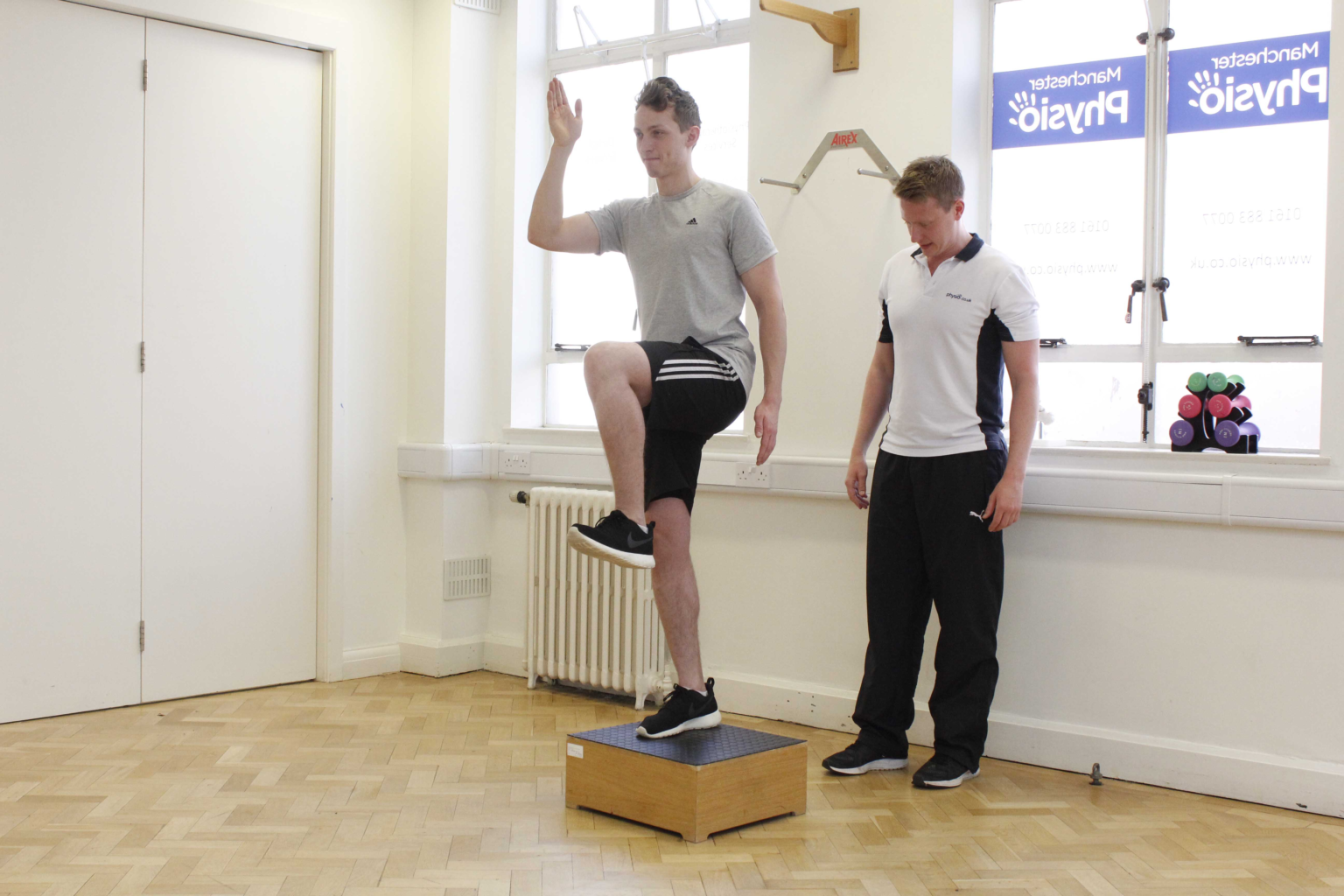
Sports injuries are very common, whether you are a professional athlete or someone who just enjoys jogging, football, gym workouts, or weekend sports. A sudden twist, fall, overuse, or improper movement can lead to injuries like sprains, strains, muscle tears, or joint pain. While rest is important, complete inactivity for too long can slow down recovery. This is where sports injury recovery exercises play a key role.
These exercises are carefully designed movements that help restore strength, flexibility, balance, and mobility after an injury. When done correctly, they support healing, reduce stiffness, and help you return to normal activity safely.
In this article, we will explain what sports injury recovery exercises are, why they matter, different types of exercises, and how to perform them safely in simple and easy language.
What Are Sports Injury Recovery Exercises?
Sports injury recovery exercises are gentle physical movements used during or after healing from an injury. They are not the same as regular workouts or intense training. Instead, they are slow, controlled, and focused on rehabilitation.
These exercises help your body recover by:
- Improving blood flow to the injured area
- Reducing stiffness and swelling
- Restoring joint movement
- Strengthening weak muscles
- Preventing future injuries
For example, after a sprained ankle, simple ankle rotations or light stretching can help bring movement back without putting too much pressure on the joint.
Why Are Recovery Exercises Important?
Many people think resting alone is enough for healing, but that is not always true. Too much rest can make muscles weak and joints stiff. Recovery exercises help your body heal in a balanced way.
1. Faster Healing
Light movement increases blood circulation, which brings oxygen and nutrients to the injured area.
2. Reduced Pain and Stiffness
Gentle stretching helps loosen tight muscles and reduces discomfort.
3. Better Strength Restoration
Injuries often weaken muscles. Exercises rebuild that strength slowly.
4. Improved Flexibility
Recovery exercises keep joints flexible and prevent long-term stiffness.
5. Lower Risk of Re-Injury
A properly rehabilitated body is less likely to get injured again.
Phases of Sports Injury Recovery Exercises
Recovery is usually divided into stages. Each stage includes different types of exercises.
1. Early Stage (Rest and Gentle Movement)
In this phase, pain and swelling are high. Exercises are very light.
Examples:
- Slow joint rotations
- Gentle stretching
- Breathing exercises
2. Middle Stage (Strength Building)
Pain reduces, and the focus shifts to rebuilding strength.
Examples:
- Resistance band exercises
- Light bodyweight movements
- Controlled balance exercises
3. Late Stage (Return to Activity)
In this phase, the goal is to prepare for normal sports activity again.
Examples:
- Sport-specific drills
- Light jogging
- Agility exercises
Common Sports Injury Recovery Exercises
Here are some easy and commonly used recovery exercises for different injuries.
1. Ankle Circles
This helps improve ankle mobility after sprains.
How to do it:
- Sit comfortably
- Lift your injured foot slightly
- Slowly rotate your ankle in circles
- Do 10 rotations clockwise and 10 anti-clockwise
2. Hamstring Stretch
Good for thigh and leg injuries.
How to do it:
- Sit on the floor
- Extend one leg forward
- Reach slowly toward your toes
- Hold for 15–20 seconds
3. Shoulder Pendulum Exercise
Used for shoulder injuries.
How to do it:
- Lean forward with one hand supported
- Let the injured arm hang freely
- Gently swing it in small circles
4. Knee Straight Leg Raise
Helps strengthen knee muscles.
How to do it:
- Lie on your back
- Keep one leg bent and the other straight
- Lift the straight leg slowly
- Hold for a few seconds and lower
5. Wrist Flexor Stretch
Useful for wrist strains.
How to do it:
- Extend your arm forward
- Use the other hand to gently pull fingers back
- Hold for 15 seconds
Tips for Safe Recovery
Doing recovery exercises incorrectly can slow healing or make the injury worse. Follow these important tips:
- Always warm up gently before exercises
- Do not push through sharp pain
- Start slowly and increase intensity gradually
- Follow your doctor or physiotherapist’s advice
- Stop if swelling or pain increases
- Stay consistent but avoid overdoing it
Role of Physiotherapy in Recovery
Physiotherapists play an important role in sports injury recovery. They create personalized exercise plans based on your injury type and severity. They also guide you on proper posture, movement, and progression.
A physiotherapist ensures:
- Safe recovery timeline
- Correct exercise technique
- Prevention of long-term damage
- Faster return to sports
How Long Does Recovery Take?
Recovery time depends on:
- Type of injury
- Severity of injury
- Age and fitness level
- Consistency of exercises
Mild injuries may heal in a few weeks, while severe injuries can take months. The key is patience and regular practice of recovery exercises.
Mistakes to Avoid During Recovery
Many people make mistakes that delay healing. Avoid these common errors:
- Skipping exercises completely
- Returning to sports too early
- Ignoring pain signals
- Using incorrect techniques
- Not following medical advice
Conclusion
Sports injury recovery exercises are a vital part of healing. They help restore movement, reduce pain, rebuild strength, and prevent future injuries. Whether you are recovering from a small sprain or a serious muscle injury, these exercises guide your body back to full health in a safe and controlled way.
The most important thing to remember is patience. Recovery is not a race. With the right exercises, proper guidance, and consistency, you can return to your favorite sport stronger and more confident than before.
FAQs
1. Can I do recovery exercises immediately after an injury?
No, you should wait until swelling and severe pain reduce. Always follow a doctor’s advice before starting.
2. How often should I do recovery exercises?
Most people do them 1–2 times daily, depending on the injury and professional guidance.
3. Do recovery exercises hurt?
They should not cause sharp pain. Mild discomfort is okay, but stop if pain increases.
4. Can recovery exercises fully heal a sports injury?
They support healing but may not replace medical treatment. Severe injuries need professional care.
5. When can I return to sports after injury?
You can return when strength, flexibility, and movement are fully restored, and your doctor or physiotherapist approves it.