
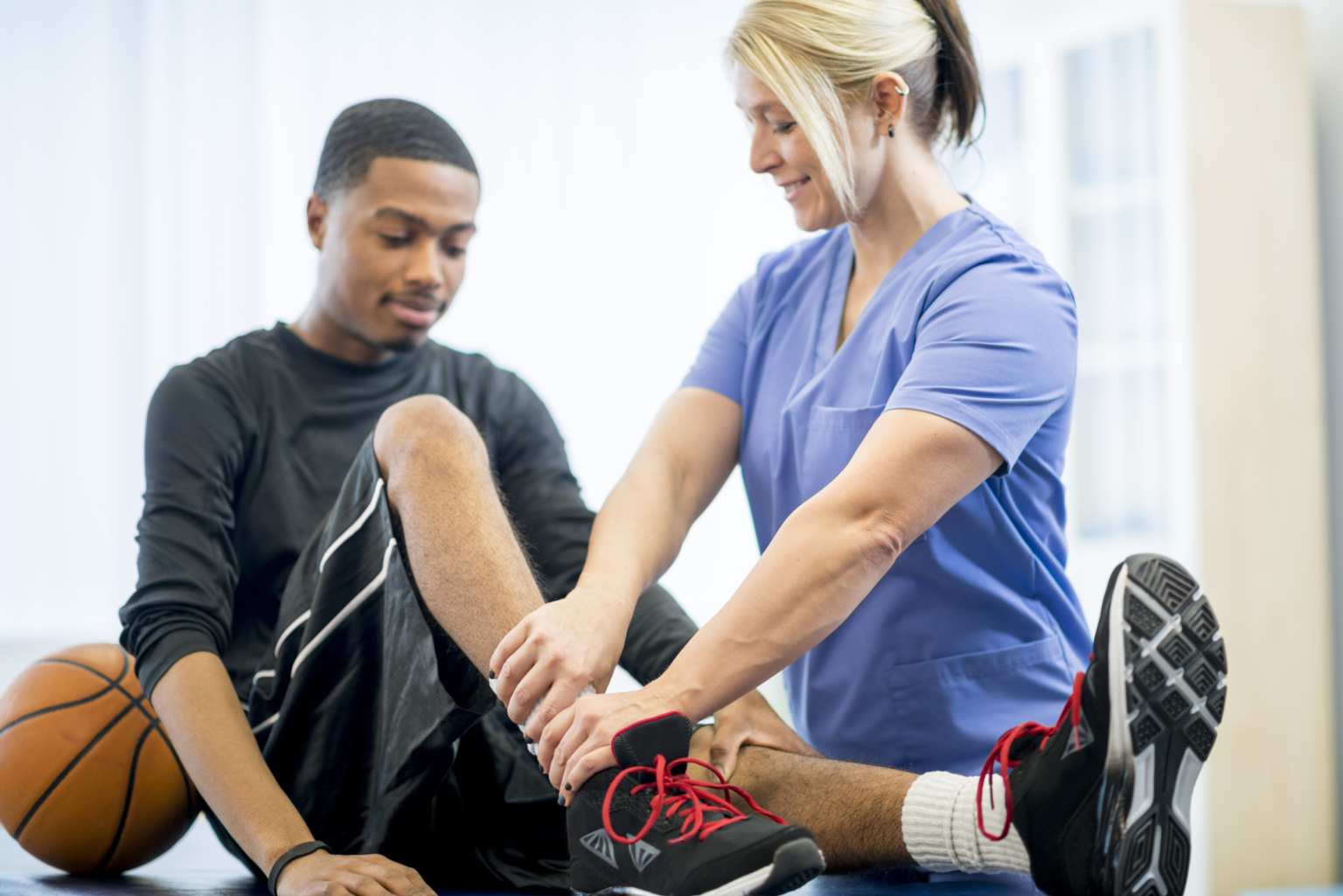
Sports injuries are very common among athletes, gym lovers, and even people who enjoy regular physical activity. Whether it is a simple sprain or a serious ligament tear, proper treatment is very important for full recovery. This is where an orthopedic specialist for sports injuries plays a major role.
An orthopedic specialist is a doctor who focuses on bones, joints, muscles, ligaments, and tendons. When injuries happen during sports or physical activity, these specialists help diagnose the problem and create the best treatment plan for fast and safe healing.
In this article, we will explain what an orthopedic specialist does, what types of sports injuries they treat, and how they help patients recover and return to normal activity.
Who is an Orthopedic Specialist?
An orthopedic specialist is a medical doctor trained to treat problems related to the musculoskeletal system. This system includes:
- Bones
- Joints
- Muscles
- Ligaments
- Tendons
When it comes to sports injuries, an orthopedic specialist for sports injuries focuses on diagnosing damage caused during physical activity and helping the body heal properly without long-term complications.
They use both non-surgical and surgical methods depending on the severity of the injury.
Why Sports Injuries Need Special Care
Sports injuries are different from normal injuries because they often involve:
- Sudden movements
- High impact
- Repetitive stress
- Overuse of muscles or joints
If not treated properly, these injuries can become worse over time. Ignoring pain or returning to sports too early can lead to permanent damage.
That is why visiting an orthopedic specialist for sports injuries is important. They understand how the body moves during sports and how to treat injuries without affecting future performance.
Common Sports Injuries Treated by Orthopedic Specialists
Orthopedic specialists treat a wide range of sports injuries. Some of the most common include:
1. Sprains and Strains
- Sprains affect ligaments
- Strains affect muscles or tendons
These injuries often happen during running, jumping, or sudden movements.
2. Ligament Tears (ACL, MCL)
Knee ligament injuries are very common in football, basketball, and skiing. ACL tears, in particular, often require advanced treatment.
3. Fractures (Broken Bones)
Accidents during sports can cause bone fractures that need immediate medical attention.
4. Shoulder Injuries
These include dislocations, rotator cuff tears, and tendon injuries, common in sports like swimming and tennis.
5. Tennis Elbow and Golfer’s Elbow
These are overuse injuries caused by repetitive arm movements.
6. Shin Splints
Pain in the lower leg caused by running or jumping on hard surfaces.
7. Back and Neck Injuries
Common in contact sports like football and wrestling.
How an Orthopedic Specialist Diagnoses Sports Injuries
The first step in treatment is proper diagnosis. An orthopedic specialist for sports injuries uses several methods to find the exact problem.
Physical Examination
The doctor checks swelling, pain level, movement, and strength.
Medical History
They ask how the injury happened and what symptoms the patient is feeling.
Imaging Tests
- X-rays for bone injuries
- MRI scans for soft tissue damage
- CT scans for detailed images
These tests help the doctor understand the severity of the injury and choose the right treatment.
Treatment Options for Sports Injuries
Orthopedic specialists offer both non-surgical and surgical treatments depending on the condition.
1. Rest and Activity Modification
The first step is often rest. The injured area needs time to heal. Patients may be advised to avoid sports or heavy activity for a while.
2. Physical Therapy
Physical therapy is very important in recovery. It includes:
- Stretching exercises
- Strength training
- Balance exercises
- Mobility training
A physical therapist works closely with the orthopedic specialist to help the patient regain full movement.
3. Medication
Doctors may prescribe:
- Pain relievers
- Anti-inflammatory medicines
These help reduce pain and swelling during recovery.
4. Ice and Compression
Ice packs and compression bandages help control swelling and speed up healing in early stages.
5. Braces and Supports
Knee braces, wrist supports, or ankle wraps are used to protect the injured area while it heals.
6. Injections
In some cases, steroid or platelet-rich plasma (PRP) injections may be used to reduce inflammation and promote healing.
7. Surgery (If Needed)
If the injury is severe, such as a torn ligament or broken bone, surgery may be required. Orthopedic specialists are trained to perform procedures like:
- ACL reconstruction
- Fracture repair
- Joint reconstruction
However, surgery is usually the last option when other treatments do not work.
Recovery and Rehabilitation
Recovery does not end after treatment. Rehabilitation is a very important step guided by an orthopedic specialist for sports injuries.
Goals of rehabilitation:
- Restore strength
- Improve flexibility
- Prevent re-injury
- Return to sports safely
Recovery time depends on the injury type. Minor injuries may heal in weeks, while serious injuries can take months.
How to Prevent Sports Injuries
Prevention is always better than treatment. Here are simple ways to reduce the risk of sports injuries:
Warm-up before exercise
Stretching and light movement prepare muscles for activity.
Use proper technique
Incorrect posture or movement increases injury risk.
Wear protective gear
Helmets, knee pads, and proper shoes are important.
Avoid overtraining
Rest is as important as training.
Stay hydrated
Water keeps muscles healthy and reduces cramps.
When Should You See an Orthopedic Specialist?
You should visit an orthopedic specialist for sports injuries if you experience:
- Severe pain after injury
- Swelling that does not reduce
- Difficulty moving a joint
- Weakness or instability
- Pain that lasts more than a few days
Early treatment prevents long-term damage and speeds up recovery.
Final Thoughts
Sports injuries can affect anyone, from professional athletes to casual gym-goers. Ignoring pain or delaying treatment can make the condition worse. An orthopedic specialist for sports injuries helps diagnose the problem accurately and provides the right treatment plan for safe recovery.
With modern medical care, most sports injuries can be treated without long-term complications. The key is early diagnosis, proper treatment, and guided rehabilitation.
By taking care of your body and following medical advice, you can return to sports stronger, safer, and more confident than before.
FAQs
1. What does an orthopedic specialist for sports injuries do?
They diagnose and treat injuries related to bones, joints, muscles, and ligaments caused by sports or physical activity.
2. Do all sports injuries need surgery?
No, most sports injuries are treated with rest, therapy, and medication. Surgery is only needed in severe cases.
3. How long does recovery take from a sports injury?
Recovery time depends on the injury. Minor injuries may heal in weeks, while severe injuries may take months.
4. Can I continue sports after an injury?
Yes, but only after proper recovery and approval from your orthopedic specialist.
5. What is the best way to prevent sports injuries?
Proper warm-up, correct technique, protective gear, and avoiding overtraining are the best prevention methods.