
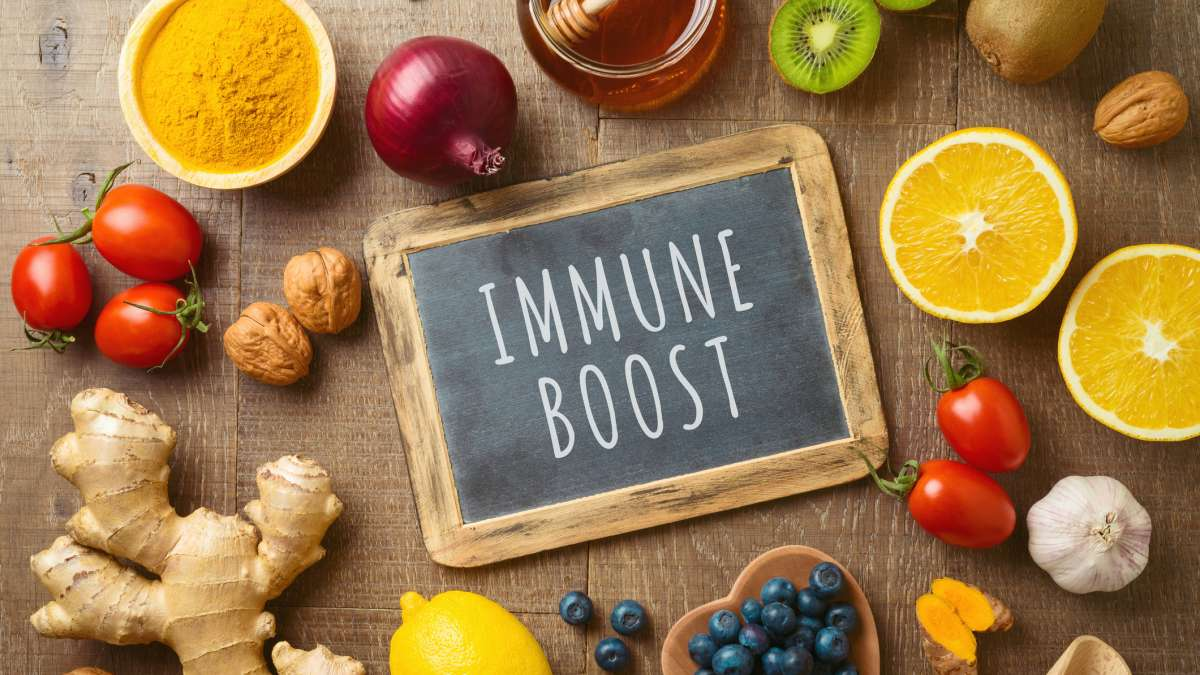
Introduction
Your immune system is your body’s natural defense against harmful bacteria, viruses, and other infections. Every day, it works around the clock to keep you healthy. While there is no magic food or supplement that can instantly make your immune system stronger, adopting healthy lifestyle habits can significantly improve your body’s ability to fight illness.
Many people look for natural ways to boost immunity because they want to stay healthy without relying on medications unless necessary. The good news is that small daily changes can make a big difference over time. Eating nutritious foods, getting enough sleep, exercising regularly, managing stress, and staying hydrated all contribute to a stronger immune system.
In this guide, you’ll learn the most effective natural methods to support your immune health, understand what weakens immunity, and discover simple habits you can start today.
What Is the Immune System?
The immune system is a complex network of organs, tissues, and cells that protects your body from harmful germs. It identifies viruses, bacteria, fungi, and other harmful organisms and works to eliminate them before they cause illness.
Your immune system includes:
- White blood cells
- Bone marrow
- Lymph nodes
- Spleen
- Thymus
- Antibodies
When these parts work together properly, your body is better prepared to fight infections and recover faster.
Why Is a Strong Immune System Important?
A healthy immune system helps you:
- Fight infections naturally
- Recover faster from illness
- Reduce the risk of seasonal colds and flu
- Heal wounds more efficiently
- Maintain overall health and energy
- Protect your body as you age
Although no one can avoid getting sick completely, having a healthy immune system often means milder symptoms and quicker recovery.
1. Eat a Balanced and Colorful Diet
Nutrition plays one of the biggest roles in supporting immunity.
Try to fill your plate with colorful fruits and vegetables because they contain vitamins, minerals, and antioxidants that help your immune cells function properly.
Some of the best immune-supporting foods include:
- Oranges
- Lemons
- Berries
- Spinach
- Broccoli
- Carrots
- Sweet potatoes
- Bell peppers
- Tomatoes
- Garlic
- Ginger
Whole grains, lean proteins, healthy fats, beans, nuts, and seeds should also be part of your daily meals.
A balanced diet provides your body with the nutrients it needs to build and maintain a strong immune system.
2. Increase Your Vitamin C Intake Naturally
Vitamin C is one of the most well-known nutrients for immune support.
It helps produce white blood cells, which are essential for fighting infections.
Natural sources include:
- Oranges
- Kiwi
- Strawberries
- Pineapple
- Guava
- Papaya
- Bell peppers
- Broccoli
Instead of relying only on supplements, try to get most of your vitamin C from fresh foods.
3. Get Enough Quality Sleep
Sleep is one of the most powerful natural immune boosters.
During sleep, your body repairs damaged cells and produces proteins that help fight infections.
Adults should aim for:
- 7–9 hours of quality sleep every night
Poor sleep may weaken your immune response, making you more likely to catch colds and other illnesses.
To improve sleep:
- Go to bed at the same time every night.
- Avoid screens before bedtime.
- Keep your bedroom cool and dark.
- Limit caffeine in the evening.
4. Stay Physically Active
Regular exercise improves circulation, allowing immune cells to move more efficiently throughout your body.
Good activities include:
- Walking
- Cycling
- Swimming
- Yoga
- Jogging
- Dancing
Aim for at least 30 minutes of moderate exercise on most days of the week.
Avoid overtraining because excessive exercise without enough recovery can temporarily weaken immunity.
5. Drink Plenty of Water
Hydration is often overlooked, but it plays a vital role in overall health.
Water helps:
- Remove toxins
- Transport nutrients
- Support healthy digestion
- Keep mucous membranes moist
- Maintain healthy circulation
Most adults should drink around 2–3 liters of water daily, although individual needs vary depending on activity level and climate.
6. Reduce Stress Naturally
Long-term stress increases cortisol, a hormone that can suppress immune function when levels remain high.
Natural ways to reduce stress include:
- Deep breathing
- Meditation
- Reading
- Gardening
- Listening to music
- Spending time outdoors
- Talking with family or friends
Even taking a few minutes each day to relax can support better immune health.
7. Eat More Probiotic Foods
Your gut contains trillions of beneficial bacteria that influence immune function.
Healthy gut bacteria help your body fight harmful microorganisms.
Foods rich in probiotics include:
- Yogurt with live cultures
- Kefir
- Kimchi
- Sauerkraut
- Miso
- Fermented vegetables
Also include prebiotic foods like onions, garlic, bananas, oats, and asparagus to feed beneficial gut bacteria.
8. Include Healthy Protein Sources
Protein helps build antibodies and repair body tissues.
Good protein choices include:
- Fish
- Chicken
- Eggs
- Lentils
- Beans
- Chickpeas
- Greek yogurt
- Tofu
- Nuts
Eating enough protein supports healthy immune cell production.
9. Spend Time in Sunlight
Sunlight helps your body produce vitamin D, an important nutrient for immune function.
Low vitamin D levels have been linked with an increased risk of infections.
Aim for about 10–30 minutes of sunlight several times each week, depending on your skin type and local weather.
If you have limited sun exposure, talk to your healthcare provider about vitamin D supplements.
10. Limit Sugar and Processed Foods
Eating too much added sugar and processed food may contribute to inflammation and reduce overall health.
Try replacing sugary snacks with healthier alternatives like:
- Fresh fruit
- Mixed nuts
- Yogurt
- Homemade smoothies
- Whole-grain snacks
A healthier diet supports your immune system over time.
11. Avoid Smoking and Limit Alcohol
Smoking damages the lungs and weakens immune defenses.
Excessive alcohol may interfere with immune cell function and reduce your body’s ability to fight infections.
Reducing or avoiding these habits can greatly improve long-term health.
12. Maintain a Healthy Weight
Being significantly overweight or underweight can affect immune function.
A healthy weight supports:
- Better hormone balance
- Reduced inflammation
- Improved energy
- Lower risk of chronic disease
Regular exercise and balanced nutrition are the safest ways to maintain a healthy weight.
13. Practice Good Hygiene
Even a strong immune system benefits from healthy habits that reduce exposure to germs.
Simple hygiene practices include:
- Washing hands regularly
- Covering coughs and sneezes
- Cleaning frequently touched surfaces
- Preparing food safely
- Avoiding close contact with people who are sick
These habits lower your risk of infection.
14. Add Immune-Friendly Herbs and Spices
Several herbs and spices contain natural compounds that support overall health.
Popular choices include:
- Garlic
- Ginger
- Turmeric
- Cinnamon
- Oregano
- Green tea
While these foods may support wellness, they are not cures for illnesses and work best as part of a balanced lifestyle.
Daily Habits That Strengthen Immunity
Here is a simple daily routine:
- Eat nutritious meals.
- Drink enough water.
- Exercise for 30 minutes.
- Sleep 7–9 hours.
- Manage stress.
- Spend some time outdoors.
- Eat fruits and vegetables every day.
- Avoid smoking.
- Limit sugary foods.
- Practice good hygiene.
Consistency matters more than perfection.
Common Myths About Boosting Immunity
Myth 1: Supplements Can Replace Healthy Eating
Reality: Supplements may help in certain situations, but they cannot replace a balanced diet.
Myth 2: More Vitamins Are Always Better
Reality: Taking excessive vitamins can sometimes be harmful. Follow recommended amounts unless advised otherwise by a healthcare professional.
Myth 3: One Food Can Prevent Illness
Reality: No single food can prevent infections. Overall healthy habits matter most.
Myth 4: Exercise Should Be Intense Every Day
Reality: Moderate, consistent exercise is generally more beneficial for immunity than excessive training.
Myth 5: Natural Means Risk-Free
Reality: Natural herbs and supplements can interact with medications. Always seek medical advice if you have underlying health conditions or take prescription medicines.
Conclusion
Building a stronger immune system doesn’t happen overnight, but healthy daily habits can make a lasting difference. Eating a balanced diet rich in fruits, vegetables, whole grains, and lean protein gives your body the nutrients it needs to function well. Staying active, getting enough sleep, managing stress, drinking plenty of water, and practicing good hygiene all work together to support your body’s natural defenses.
Instead of looking for quick fixes, focus on creating a healthy lifestyle that you can maintain over time. These natural habits not only help support your immune system but also improve your overall well-being, energy, and quality of life. Remember that if you have frequent infections, ongoing health concerns, or questions about supplements, it’s always best to consult a qualified healthcare professional.
Frequently Asked Questions (FAQs)
1. What is the fastest natural way to boost immunity?
There is no instant solution. Eating nutritious foods, staying hydrated, getting enough sleep, exercising regularly, and managing stress are the most effective long-term ways to support your immune system.
2. Which foods are best for a healthy immune system?
Foods rich in vitamin C, vitamin D, zinc, protein, probiotics, and antioxidants are excellent choices. These include citrus fruits, berries, spinach, yogurt, garlic, ginger, fish, eggs, beans, and nuts.
3. Does drinking more water improve immunity?
Yes. Proper hydration supports circulation, nutrient transport, and overall body function, all of which contribute to a healthy immune system.
4. Can exercise strengthen the immune system?
Yes. Moderate exercise performed regularly helps improve circulation and supports healthy immune function. However, excessive exercise without adequate recovery may temporarily weaken immunity.
5. Can stress weaken the immune system?
Yes. Chronic stress can reduce your body’s ability to fight infections. Relaxation techniques, quality sleep, regular exercise, and spending time with loved ones can help manage stress and support immune health.