
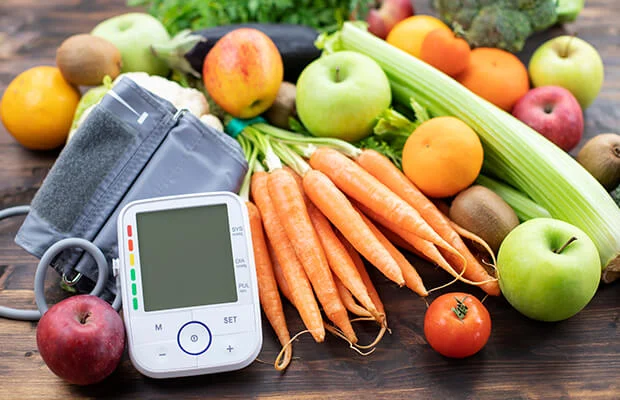
High blood pressure, also called hypertension, is one of the most common health problems around the world. It is often known as the “silent killer” because many people have it without noticing any symptoms. If left untreated, high blood pressure can increase the risk of heart disease, stroke, kidney disease, and other serious health conditions.
The good news is that many people can lower their blood pressure naturally by making healthy lifestyle changes. Eating nutritious foods, staying active, reducing stress, and maintaining a healthy weight can all make a big difference. While some people may still need medication, natural methods can improve overall heart health and help blood pressure stay within a healthy range.
In this article, you will learn how to lower blood pressure naturally, why it matters, and the best daily habits to protect your heart.
What Is Blood Pressure?
Blood pressure is the force of blood pushing against the walls of your arteries as your heart pumps. It is measured using two numbers:
- Systolic pressure: The top number, which measures pressure when the heart beats.
- Diastolic pressure: The bottom number, which measures pressure when the heart rests between beats.
A healthy blood pressure is generally around 120/80 mmHg. When blood pressure stays consistently high, it can damage blood vessels and make the heart work harder than normal.
Why Is High Blood Pressure Dangerous?
High blood pressure often develops slowly over many years. Because it usually has no obvious symptoms, many people do not realize they have it until complications occur.
Untreated high blood pressure can increase the risk of:
- Heart attack
- Stroke
- Heart failure
- Kidney disease
- Vision problems
- Memory loss
- Damage to blood vessels
The earlier you control your blood pressure, the lower your risk of these serious health problems.
1. Eat a Heart-Healthy Diet
One of the best natural ways to lower blood pressure is by improving your diet.
Focus on eating:
- Fresh fruits
- Green vegetables
- Whole grains
- Beans and lentils
- Fish
- Skinless chicken
- Nuts and seeds
- Low-fat dairy products
These foods provide important nutrients like potassium, magnesium, and fiber that help support healthy blood pressure.
Try to avoid processed foods because they often contain high amounts of sodium, unhealthy fats, and added sugar.
2. Reduce Your Salt Intake
Eating too much salt is one of the biggest causes of high blood pressure.
Most adults should aim to consume less sodium by:
- Avoiding packaged snacks
- Limiting fast food
- Reading food labels carefully
- Cooking meals at home
- Using herbs and spices instead of salt
Even a small reduction in daily salt intake can help lower blood pressure over time.
3. Exercise Regularly
Physical activity helps strengthen the heart, allowing it to pump blood more efficiently.
Aim for at least 30 minutes of moderate exercise on most days of the week.
Good exercises include:
- Walking
- Cycling
- Swimming
- Jogging
- Dancing
- Yoga
Regular exercise also helps reduce stress, improve sleep, and maintain a healthy weight.
4. Maintain a Healthy Weight
Being overweight puts extra strain on the heart and blood vessels.
Losing even a small amount of weight can significantly improve blood pressure.
Healthy weight loss can be achieved by:
- Eating balanced meals
- Controlling portion sizes
- Exercising regularly
- Drinking enough water
- Avoiding sugary drinks
5. Eat More Potassium-Rich Foods
Potassium helps balance the effects of sodium and supports healthy blood vessel function.
Foods rich in potassium include:
- Bananas
- Sweet potatoes
- Spinach
- Tomatoes
- Avocados
- Oranges
- Beans
- Yogurt
If you have kidney disease, speak with your doctor before increasing potassium intake.
6. Reduce Stress Naturally
Long-term stress may contribute to higher blood pressure.
Healthy ways to manage stress include:
- Deep breathing exercises
- Meditation
- Prayer
- Listening to relaxing music
- Spending time with family
- Reading books
- Gardening
- Walking outdoors
Even taking 10 to 15 minutes each day to relax can benefit your heart.
7. Get Enough Quality Sleep
Poor sleep can affect hormones that help regulate blood pressure.
Adults should aim for 7 to 9 hours of quality sleep every night.
To improve sleep:
- Go to bed at the same time each night.
- Avoid caffeine late in the day.
- Keep your bedroom quiet and dark.
- Turn off electronic devices before bedtime.
- Create a relaxing bedtime routine.
Better sleep supports a healthier heart and improves overall well-being.
8. Limit Alcohol and Avoid Smoking
Smoking damages blood vessels and raises blood pressure almost immediately. Quitting smoking is one of the most important steps you can take for your heart health.
Drinking too much alcohol can also increase blood pressure. If you choose to drink, do so in moderation and follow your healthcare provider’s advice.
9. Drink Plenty of Water
Staying hydrated helps your body function properly and supports healthy circulation.
Replace sugary drinks with water whenever possible. Drinking enough water throughout the day also helps maintain energy levels and supports overall health.