
Good eyesight is something many people take for granted until they start experiencing problems like blurry vision, eye strain, or headaches. In today’s digital world, where screens are part of daily life, our eyes work harder than ever before. The good news is that while not all vision problems can be reversed naturally, there are many simple and healthy habits that can support your eye health, slow down vision decline, and help your eyes feel better every day.
In this article, we will explore practical and natural ways to improve eyesight health, protect your vision, and reduce eye strain using easy lifestyle changes.
Understanding Eye Health First
Before learning how to improve eyesight naturally, it’s important to understand one thing clearly:
Not all vision problems can be completely “cured” with natural methods.
Conditions like myopia (nearsightedness), hyperopia (farsightedness), or astigmatism usually require glasses, contact lenses, or medical treatment. However, natural methods can:
- Improve overall eye strength
- Reduce eye strain and fatigue
- Support long-term vision health
- Slow down worsening eyesight
- Improve focus and comfort
Think of it like fitness for your eyes—good habits keep them strong and healthy.
1. Eat Foods That Support Eye Health
Your diet plays a big role in how healthy your eyes are. Certain nutrients are especially important for vision.
Best nutrients for eyesight:
- Vitamin A – helps prevent night blindness
- Vitamin C – supports blood vessels in the eyes
- Vitamin E – protects eye cells from damage
- Omega-3 fatty acids – support retina health
- Lutein and zeaxanthin – protect against harmful light
Eye-friendly foods:
- Carrots
- Spinach and leafy greens
- Eggs
- Fish like salmon and tuna
- Oranges and citrus fruits
- Nuts and seeds
A balanced diet filled with these foods can help keep your eyes strong and healthy over time.
2. Follow the 20-20-20 Rule for Screens
One of the biggest causes of poor eyesight today is digital eye strain from phones, computers, and tablets.
The 20-20-20 rule is simple and very effective:
- Every 20 minutes
- Look at something 20 feet away
- For at least 20 seconds
This helps your eye muscles relax and reduces fatigue. If you work on a computer or use your phone a lot, this habit is very important.
3. Do Simple Eye Exercises
Eye exercises will not magically cure vision problems, but they can improve focus, reduce strain, and keep your eye muscles active.
Easy eye exercises:
- Blinking exercise: Blink rapidly for 10–15 seconds to refresh eyes
- Focus shifting: Look at a near object, then a far object, repeat 10 times
- Eye rolling: Slowly roll your eyes in a circular motion
- Palming: Cover your eyes with your palms for 30 seconds to relax them
Doing these exercises daily can help reduce tired and dry eyes.
4. Get Enough Sleep Every Night
Sleep is very important for eye recovery. When you sleep, your eyes get time to repair and rest.
Poor sleep can lead to:
- Eye redness
- Dry eyes
- Blurry vision
- Eye twitching
Try to get 7–8 hours of quality sleep every night. Avoid screens at least 30 minutes before bed to help your eyes and brain relax properly.
5. Protect Your Eyes from UV Light
Sunlight contains ultraviolet (UV) rays that can damage your eyes over time. Long exposure increases the risk of eye problems like cataracts.
Simple protection tips:
- Wear sunglasses with UV protection
- Use a hat or cap in strong sunlight
- Avoid staring directly at bright sunlight
Protecting your eyes outdoors is just as important as protecting your skin.
6. Reduce Screen Brightness and Blue Light Exposure
Too much blue light from screens can cause eye strain and disrupt sleep patterns.
Helpful habits:
- Lower your screen brightness
- Use “night mode” or blue light filters
- Keep screens at a safe distance (arm’s length)
- Avoid using screens in complete darkness
These small changes can make a big difference in reducing eye fatigue.
7. Stay Hydrated
Water is important for every part of your body, including your eyes. When you are dehydrated, your eyes can become dry, irritated, and tired.
Try to drink:
- 6–8 glasses of water daily
- More if you are active or in hot weather
Hydration helps maintain natural tear production, keeping your eyes comfortable.
8. Avoid Smoking and Limit Alcohol
Smoking is very harmful to eye health. It increases the risk of serious eye diseases such as cataracts and macular degeneration.
Alcohol can also affect hydration and eye comfort.
If you want to protect your eyesight naturally, avoiding smoking is one of the best decisions you can make.
9. Maintain Proper Reading Habits
Bad reading habits can cause unnecessary strain on your eyes.
Good reading practices:
- Keep books at a comfortable distance
- Use proper lighting (not too dim or too bright)
- Avoid reading while lying down for long periods
- Take breaks every 20–30 minutes
Good posture and lighting help your eyes stay relaxed.
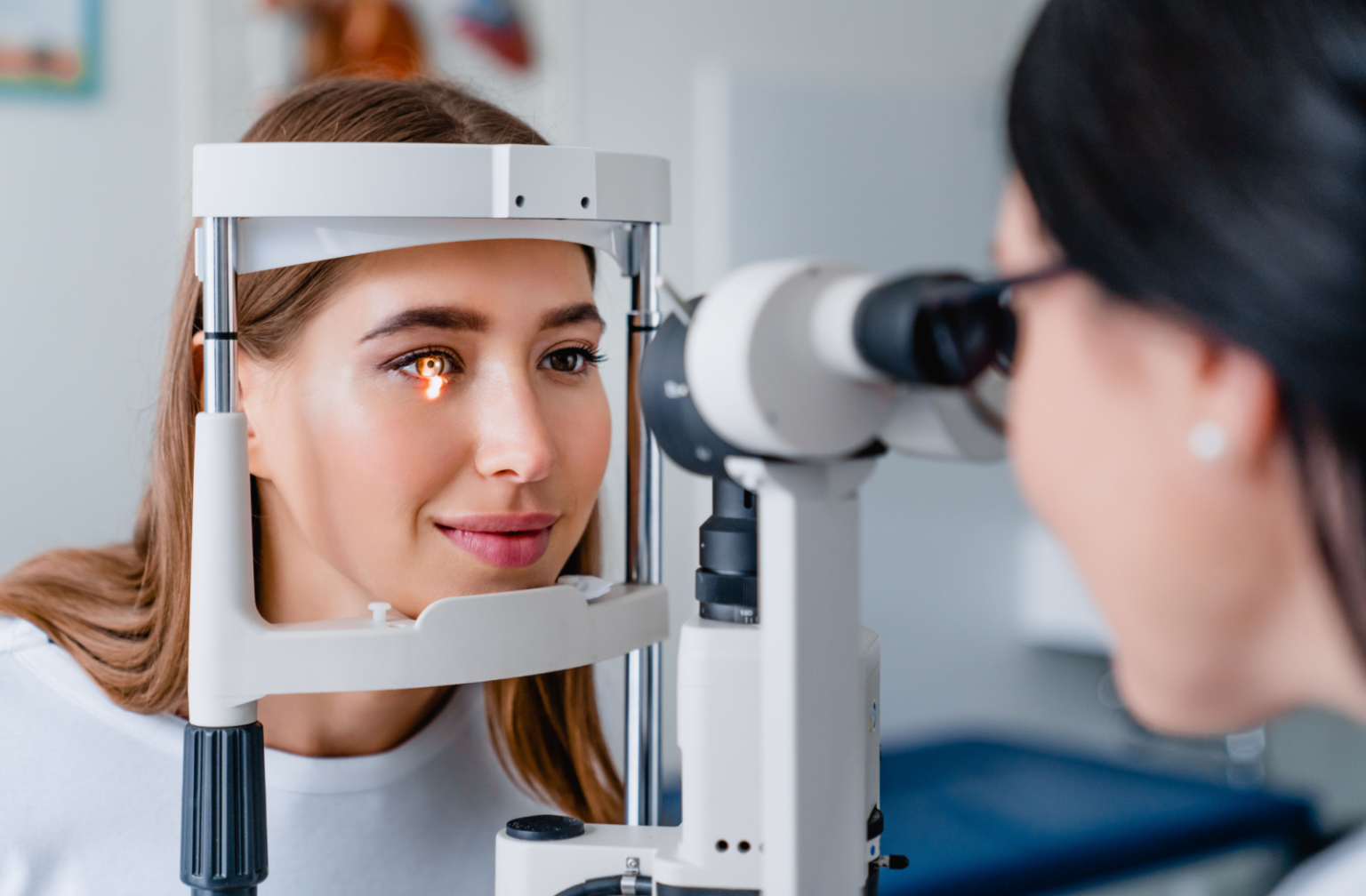
10. Regular Eye Checkups
Even if you feel your eyesight is fine, regular eye checkups are important.
An eye specialist can:
- Detect early vision problems
- Suggest proper glasses if needed
- Monitor eye health over time
Early detection prevents small issues from becoming serious problems.
Final Thoughts
Improving eyesight naturally is not about quick fixes or miracle cures. Instead, it is about building healthy daily habits that support your eyes in the long run. Eating the right foods, reducing screen strain, protecting your eyes from sunlight, and getting enough rest all work together to keep your vision strong.
Your eyes are one of your most important senses, and taking care of them today can protect your vision for years to come.
FAQs
1. Can eyesight really improve naturally?
Natural methods can improve eye comfort, reduce strain, and support eye health, but they usually cannot fully reverse conditions like nearsightedness or farsightedness.
2. Do eye exercises really work?
Eye exercises help relax eye muscles and reduce fatigue, but they do not permanently fix vision problems. They are best for eye comfort and focus.
3. Which food is best for improving eyesight?
Carrots, spinach, fish, eggs, and citrus fruits are very good for eye health because they contain important vitamins and antioxidants.
4. How long does it take to see improvement in eye health?
You may feel reduced strain and better comfort within days or weeks of good habits, but long-term benefits take consistent care over months.
5. Is screen time the main cause of weak eyesight?
Screen time causes eye strain and discomfort, but it is not the only cause of weak eyesight. Genetics and other health factors also play a role.