
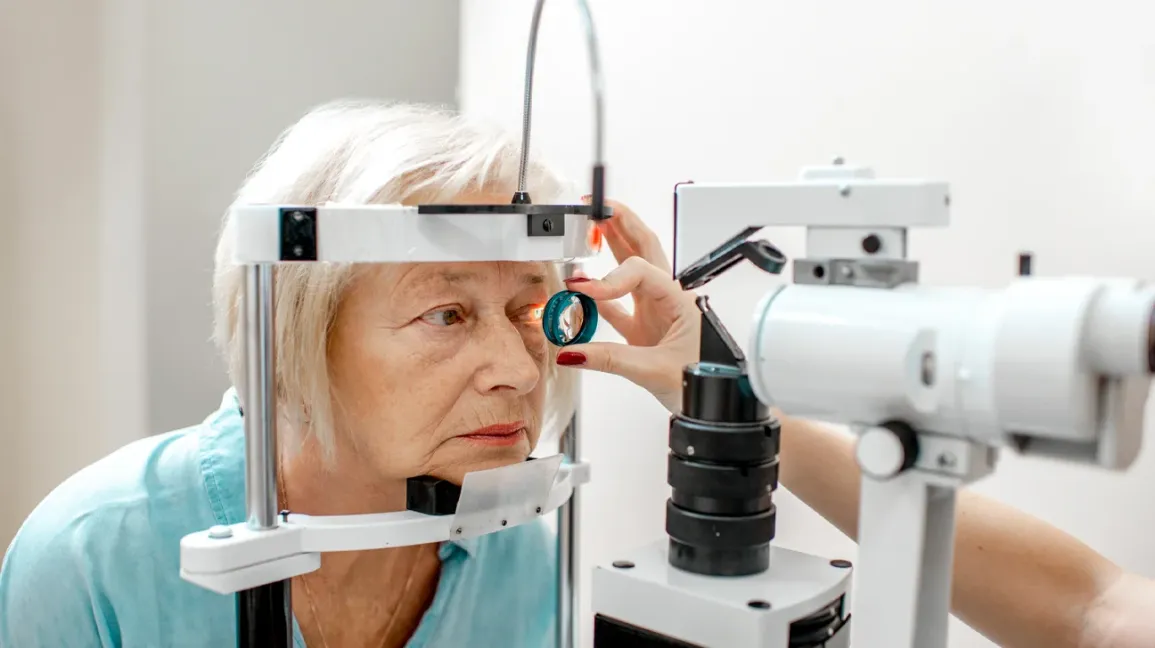
Glaucoma is one of the leading causes of permanent blindness in the world. The most concerning part is that it often develops slowly and silently, without clear warning signs in the early stages. Many people do not realize they have it until some vision loss has already occurred.
The good news is that with early detection and proper treatment, glaucoma can be managed, and further vision loss can often be prevented. In this article, we will explain what glaucoma is, its symptoms, causes, and the available treatment options in a simple and easy-to-understand way.
What is Glaucoma?
Glaucoma is an eye condition that damages the optic nerve, which is responsible for sending visual information from the eye to the brain. This damage is usually caused by increased pressure inside the eye, known as intraocular pressure.
When this pressure becomes too high, it slowly harms the optic nerve. Over time, this can lead to permanent vision loss or even blindness if not treated properly.
There are different types of glaucoma, but the most common one is open-angle glaucoma, which develops gradually and painlessly.
Why Glaucoma Happens
Glaucoma occurs when the natural fluid inside the eye (called aqueous humor) does not drain properly. This leads to a buildup of pressure.
Some common risk factors include:
- Being over 40 years old
- Family history of glaucoma
- Diabetes or high blood pressure
- Long-term use of steroid medications
- Severe eye injuries
- Thin corneas
It’s important to understand that glaucoma can affect anyone, but these factors increase the risk.
Early Symptoms of Glaucoma
One of the biggest challenges with glaucoma is that early symptoms are often very mild or completely absent. However, as the condition progresses, symptoms become more noticeable.
Common symptoms include:
1. Gradual loss of side (peripheral) vision
This is often the first sign. You may feel like you are seeing through a tunnel.
2. Blurred vision
Vision may become unclear or foggy, especially in dim light.
3. Eye pain or pressure
Some types of glaucoma, especially acute cases, may cause strong eye pain.
4. Headaches
Frequent headaches can occur due to increased eye pressure.
5. Seeing halos around lights
Bright lights may appear surrounded by rainbow-colored circles.
6. Red eyes and nausea (in severe cases)
In sudden or acute glaucoma, symptoms can include redness, nausea, and vomiting.
Because these symptoms can be subtle, regular eye checkups are extremely important.
Types of Glaucoma
Understanding the type of glaucoma helps in choosing the right treatment.
1. Open-Angle Glaucoma
- Most common type
- Develops slowly
- No early pain or symptoms
- Gradual vision loss
2. Angle-Closure Glaucoma
- Develops suddenly
- Causes severe eye pain
- Medical emergency
- Requires immediate treatment
3. Normal-Tension Glaucoma
- Optic nerve damage occurs even with normal eye pressure
- Cause is not fully understood
4. Congenital Glaucoma
- Present at birth
- Rare but serious
- Requires early treatment in children
How Glaucoma is Diagnosed
Doctors use simple and painless tests to detect glaucoma early. These include:
- Eye pressure test (tonometry)
- Optic nerve examination
- Visual field test (checks side vision)
- Pachymetry (measures cornea thickness)
Regular eye exams are the only reliable way to catch glaucoma early before major damage occurs.
Glaucoma Treatment Options
Although glaucoma cannot be fully cured, it can be controlled effectively. The main goal of treatment is to lower eye pressure and prevent further damage to the optic nerve.
1. Eye Drops (Most Common Treatment)
Eye drops are usually the first treatment option.
They work by:
- Reducing fluid production in the eye
- Improving fluid drainage
Common types include:
- Prostaglandin analogs
- Beta blockers
- Alpha agonists
- Carbonic anhydrase inhibitors
Eye drops must be used regularly as prescribed. Missing doses can worsen the condition.
2. Oral Medications
In some cases, doctors may prescribe pills to reduce eye pressure temporarily. These are not long-term solutions but can help in urgent situations.
3. Laser Treatment
Laser therapy helps improve fluid drainage in the eye.
Types include:
- Laser trabeculoplasty (for open-angle glaucoma)
- Laser iridotomy (for angle-closure glaucoma)
Laser treatment is quick and usually done in a clinic without surgery.
4. Surgery
If medications and laser treatments are not enough, surgery may be needed.
Common procedures include:
- Trabeculectomy (creates a new drainage path)
- Drainage implants (small tubes help remove fluid)
Surgery is usually recommended for advanced cases.
5. Lifestyle Management
Although lifestyle changes cannot cure glaucoma, they can support eye health:
- Exercise regularly (improves blood flow)
- Avoid smoking
- Limit caffeine intake
- Eat a healthy diet rich in leafy greens
- Sleep well and reduce stress
Healthy habits can help maintain overall eye wellness.
Can Glaucoma Be Prevented?
There is no guaranteed way to prevent glaucoma, but early detection is the best protection.
You can reduce risk by:
- Getting regular eye checkups (especially after age 40)
- Knowing your family history
- Managing diabetes and blood pressure
- Avoiding long-term steroid use unless necessary
Early diagnosis can save vision.
Living with Glaucoma
A glaucoma diagnosis can feel stressful, but many people live normal lives with proper treatment.
Key points for managing it:
- Take medications on time
- Attend regular follow-ups
- Monitor vision changes
- Stay calm and avoid panic
Consistency is the key to protecting your eyesight.
Final Thoughts
Glaucoma is a serious eye condition, but it does not have to lead to blindness if managed early. The biggest challenge is that it develops quietly, which is why regular eye exams are so important.
By understanding symptoms, staying alert to changes in vision, and following proper treatment, you can protect your eyesight for the future. Eye health is lifelong care, not a one-time effort.
FAQs
1. What is the first sign of glaucoma?
The first sign is usually loss of side vision, but many people do not notice it early.
2. Can glaucoma be cured permanently?
No, glaucoma cannot be cured, but it can be controlled with treatment to prevent further vision loss.
3. Is glaucoma painful?
Most types are painless in early stages, but acute glaucoma can cause severe eye pain.
4. Who is most at risk of glaucoma?
People over 40, those with family history, diabetes, or high eye pressure are at higher risk.
5. How often should I get my eyes checked?
Adults should have a full eye exam every 1–2 years, and more often if they are at risk.