
Introduction
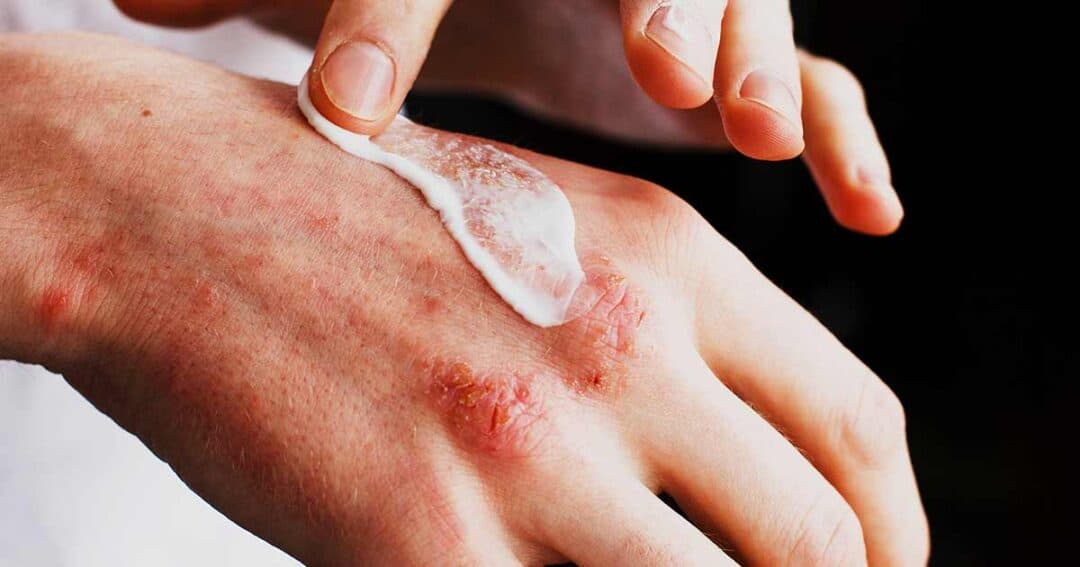
Eczema is a common skin condition that causes dry, itchy, red, and inflamed skin. It can affect people of all ages, from babies and children to adults. While eczema is not contagious, it can be uncomfortable and sometimes interfere with daily life. The constant itching and irritation may even make it difficult to sleep or concentrate.
Many people with eczema experience flare-ups that come and go. These flare-ups can be triggered by weather changes, stress, allergies, harsh soaps, or certain fabrics. Although there is no permanent cure for eczema, many people can successfully manage their symptoms with proper skin care and simple home treatments.
If your eczema is mild to moderate, learning about eczema treatment at home can help reduce itching, prevent flare-ups, and keep your skin healthy. In this article, we’ll explain the causes of eczema, common symptoms, effective home remedies, skincare tips, foods that may help, and when it’s time to see a doctor.
What Is Eczema?
Eczema, also known as atopic dermatitis, is a long-term skin condition that damages the skin’s protective barrier. When this barrier becomes weak, the skin loses moisture and becomes more sensitive to irritants and allergens.
People with eczema often experience periods when their skin looks healthy, followed by flare-ups that cause itching, redness, dryness, and inflammation.
Although eczema can occur anywhere on the body, it commonly affects the:
- Hands
- Arms
- Face
- Neck
- Elbows
- Knees
- Feet
Children often develop eczema during infancy, but many improve as they grow older. Adults can also develop eczema later in life.
Common Symptoms of Eczema
Symptoms vary from person to person, but the most common signs include:
- Dry skin
- Severe itching
- Red or brown patches
- Rough or scaly skin
- Swelling
- Cracked skin
- Small bumps that may leak fluid
- Thickened skin from repeated scratching
The itching often becomes worse at night, making it difficult to sleep.
What Causes Eczema?
Doctors do not know the exact cause of eczema, but several factors increase the risk.
Genetics
Eczema often runs in families. If your parents have eczema, asthma, or allergies, your chances of developing eczema are higher.
Weak Skin Barrier
People with eczema have skin that loses moisture quickly, making it easier for irritants to enter.
Allergies
Dust mites, pollen, pet dander, and certain foods may trigger flare-ups in some people.
Weather Changes
Cold air, dry weather, or excessive heat can irritate sensitive skin.
Stress
Emotional stress does not directly cause eczema, but it can make symptoms worse.
Irritating Products
Some soaps, shampoos, detergents, perfumes, and skincare products contain chemicals that can trigger eczema.
Effective Eczema Treatment at Home
Many home treatments can help reduce itching, improve skin moisture, and prevent future flare-ups.
1. Moisturize Your Skin Every Day
Keeping your skin hydrated is one of the most important steps in eczema care.
Choose fragrance-free moisturizers that contain ingredients such as:
- Ceramides
- Glycerin
- Petroleum jelly
- Shea butter
Apply moisturizer immediately after bathing while your skin is still slightly damp. This helps lock in moisture.
2. Take Short Lukewarm Baths
Hot water removes natural oils from your skin and may worsen eczema.
Instead:
- Use lukewarm water.
- Limit baths to 10–15 minutes.
- Use gentle, fragrance-free cleansers.
- Pat your skin dry instead of rubbing it with a towel.
After bathing, apply moisturizer within three minutes.
3. Apply Cool Compresses
A cool, damp cloth can quickly relieve itching and reduce inflammation.
Place it on the affected area for about 10–15 minutes whenever your skin feels irritated.
4. Avoid Scratching
Scratching may feel good for a moment, but it damages the skin and increases the risk of infection.
To reduce scratching:
- Keep fingernails short.
- Wear cotton gloves at night if needed.
- Use moisturizer frequently.
- Apply cool compresses for relief.
5. Wear Soft Clothing
Some fabrics irritate eczema-prone skin.
Choose:
- Cotton
- Bamboo fabrics
- Soft breathable clothing
Avoid:
- Wool
- Rough synthetic fabrics
- Tight-fitting clothes
Loose clothing helps reduce friction and irritation.
6. Use Gentle Laundry Products
Strong detergents and fabric softeners may trigger eczema.
Choose fragrance-free and dye-free laundry detergents.
Wash new clothes before wearing them to remove leftover chemicals.
7. Manage Stress
Stress is a common trigger for eczema flare-ups.
Healthy ways to reduce stress include:
- Walking
- Meditation
- Deep breathing exercises
- Reading
- Listening to relaxing music
- Spending time outdoors
Better stress management often leads to healthier skin.
8. Maintain Indoor Humidity
Dry air removes moisture from the skin.
If you live in a dry climate, using a humidifier can help keep indoor air comfortable and reduce skin dryness.
Remember to clean the humidifier regularly to prevent mold growth.
Natural Home Remedies That May Help
Some natural remedies may provide additional comfort for mild eczema symptoms.
Oatmeal Baths
Colloidal oatmeal helps soothe itchy and inflamed skin.
Add specially prepared oatmeal powder to lukewarm bath water and soak for about 10 minutes.
Coconut Oil
Virgin coconut oil contains natural moisturizing properties.
Applying a small amount to dry areas may help improve hydration and support the skin barrier.
Always perform a patch test before regular use.
Sunflower Seed Oil
Sunflower oil may improve skin hydration and reduce inflammation.
It can be applied gently after bathing.
Aloe Vera Gel
Pure aloe vera gel provides a cooling effect and may reduce irritation.
Choose products without alcohol or added fragrances.
Foods That Support Healthy Skin
Although food does not cure eczema, a healthy diet supports overall skin health.
Include foods rich in:
Omega-3 Fatty Acids
Examples include:
- Salmon
- Sardines
- Walnuts
- Flaxseeds
Vitamin C
Found in:
- Oranges
- Strawberries
- Kiwi
- Bell peppers
Vitamin E
Good sources include:
- Almonds
- Sunflower seeds
- Spinach
Zinc
Found in:
- Pumpkin seeds
- Lentils
- Chickpeas
- Beef
Drinking enough water every day also helps keep your skin hydrated from the inside.
Common Eczema Triggers to Avoid
Identifying your triggers can significantly reduce flare-ups.
Common triggers include:
- Harsh soaps
- Strong perfumes
- Cigarette smoke
- Dust mites
- Pet dander
- Pollen
- Excessive sweating
- Dry weather
- Stress
- Certain foods if you have allergies
Keeping a symptom diary can help identify personal triggers.
Can Children Be Treated at Home?
Yes, mild eczema in children can often be managed with proper home care.
Helpful tips include:
- Moisturize several times daily.
- Keep baths short.
- Dress children in soft cotton clothing.
- Keep nails trimmed.
- Avoid scented baby products.
- Prevent overheating.
Always consult a pediatrician if symptoms become severe or infected.
When Should You See a Doctor?
Home treatment works well for many people, but medical care is important if:
- The rash becomes infected.
- Skin develops yellow crusts or pus.
- Fever accompanies eczema.
- Home treatment does not help after several weeks.
- Severe itching affects sleep.
- Eczema spreads over large areas.
- Skin becomes extremely painful.
A doctor may recommend prescription creams, oral medications, or other advanced treatments.
Tips to Prevent Future Flare-Ups
Daily habits can reduce the frequency of eczema flare-ups.
- Moisturize every day.
- Avoid known triggers.
- Wear soft clothing.
- Use mild skincare products.
- Drink enough water.
- Manage stress.
- Keep showers short.
- Avoid scratching.
- Protect your skin from extreme temperatures.
Consistency is the key to long-term eczema management.
Common Myths About Eczema
Myth 1: Eczema Is Contagious
False. You cannot catch eczema from another person.
Myth 2: Only Children Get Eczema
False. Adults can develop eczema at any age.
Myth 3: Scratching Helps It Heal
False. Scratching damages the skin and often makes eczema worse.
Myth 4: Moisturizer Is Only Needed During Flare-Ups
False. Daily moisturizing helps prevent future flare-ups.
Myth 5: Natural Products Are Always Safe
False. Even natural ingredients can cause allergic reactions. Always test new products on a small area of skin first.
Conclusion
Living with eczema can be challenging, but the right home care routine can make a significant difference. Moisturizing regularly, avoiding triggers, taking lukewarm baths, wearing soft clothing, and managing stress are simple yet effective ways to keep your skin healthy and reduce flare-ups.
While eczema treatment at home works well for many people with mild symptoms, it is important to seek medical advice if your condition becomes severe, painful, or infected. Combining healthy skincare habits with professional guidance when needed can help you enjoy healthier skin and a better quality of life.
Patience and consistency are essential. With the right approach, many people successfully manage eczema and experience fewer flare-ups over time.
Frequently Asked Questions (FAQs)
1. Can eczema be cured permanently?
There is currently no permanent cure for eczema, but proper skincare, avoiding triggers, and following a treatment plan can effectively control symptoms and reduce flare-ups.
2. What is the best moisturizer for eczema?
Fragrance-free creams or ointments containing ceramides, glycerin, or petroleum jelly are often recommended because they help restore the skin’s natural barrier and lock in moisture.
3. Is coconut oil good for eczema?
Virgin coconut oil may help moisturize dry skin and reduce irritation in some people. However, always perform a patch test first to make sure it does not cause an allergic reaction.
4. How often should I moisturize eczema-prone skin?
Most experts recommend moisturizing at least twice a day and immediately after bathing to keep the skin hydrated and reduce dryness.
5. When should I stop home treatment and visit a doctor?
You should see a healthcare professional if your eczema becomes infected, spreads rapidly, causes severe pain, keeps you from sleeping, or does not improve after several weeks of consistent home care.