
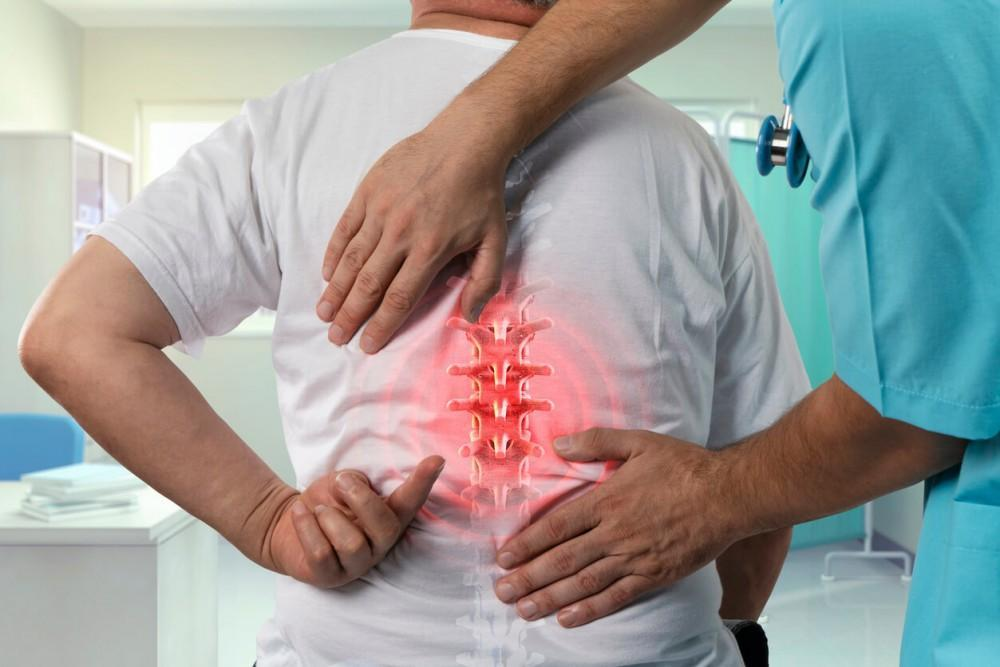
Back pain is one of the most common health problems in the world today. Many people suffer from it due to long sitting hours, poor posture, lifting heavy objects incorrectly, stress, or lack of exercise. The good news is that in most cases, back pain treatment without surgery is possible. You do not always need an operation to feel better. In fact, many people recover fully using simple lifestyle changes, exercises, and non-surgical therapies.
In this article, we will explain easy and effective ways to treat back pain without surgery, so you can understand your options and start feeling better naturally.
Understanding Back Pain
Back pain can happen in the lower back, middle back, or upper back. The most common type is lower back pain. It may feel like:
- A dull ache
- Sharp or burning pain
- Stiffness
- Difficulty bending or standing
- Pain that spreads to the legs
Back pain can be short-term (acute) or long-term (chronic). Acute pain usually lasts a few days or weeks, while chronic pain lasts more than three months.
Before thinking about surgery, doctors usually recommend non-surgical treatments first because most back pain improves without surgery.
1. Physical Therapy and Exercise
One of the most effective back pain treatment without surgery methods is physical therapy.
A trained physical therapist teaches you special exercises to strengthen your back muscles and improve flexibility. These exercises help support your spine and reduce pressure on painful areas.
Common exercises include:
- Gentle stretching
- Core strengthening (stomach muscles)
- Walking or light cardio
- Yoga and Pilates
Exercise may feel uncomfortable at first, but doing it regularly helps reduce pain in the long run. The key is consistency, not intensity.
2. Hot and Cold Therapy
Simple home treatments can also make a big difference.
Cold therapy:
Cold packs reduce swelling and numb sharp pain. It is best used in the first 24–48 hours after pain starts.
Hot therapy:
Heat improves blood flow and relaxes tight muscles. You can use:
- Heating pads
- Warm towels
- Hot showers
Many people find that alternating between hot and cold therapy works best for back pain relief.
3. Proper Rest and Movement Balance
Rest is important, but too much rest can make back pain worse. Staying in bed for long periods weakens muscles and slows recovery.
Instead:
- Take short rest breaks
- Avoid heavy lifting
- Keep moving gently throughout the day
Light movement helps your spine stay flexible and reduces stiffness.
4. Posture Correction
Poor posture is one of the biggest causes of back pain today, especially for people who sit for long hours at work or use phones and computers often.
To improve posture:
- Sit straight with back supported
- Keep feet flat on the floor
- Avoid slouching
- Adjust computer screen to eye level
Good posture reduces pressure on your spine and prevents pain from getting worse.
5. Massage Therapy
Massage is a natural and relaxing way to treat back pain without surgery. It helps:
- Relax tight muscles
- Improve blood circulation
- Reduce stress and tension
- Improve mobility
Professional massage or even gentle self-massage can provide relief, especially for muscle-related back pain.
6. Medications (Non-Surgical Support)
In some cases, doctors may recommend mild medications such as:
- Pain relievers
- Anti-inflammatory drugs
- Muscle relaxants
These do not cure the problem but help reduce pain so you can move and heal better. Always use medication under medical guidance.
7. Weight Management
Extra body weight puts pressure on your spine, especially the lower back. Losing even a small amount of weight can significantly reduce pain.
Healthy habits include:
- Eating balanced meals
- Reducing sugary and processed foods
- Drinking enough water
- Regular physical activity
A healthy weight supports your spine and reduces long-term pain.
8. Stress Management
Many people do not realize that stress can increase back pain. When you are stressed, your muscles become tight, especially in the neck and back.
Helpful stress-relief techniques:
- Deep breathing exercises
- Meditation
- Listening to calming music
- Spending time outdoors
Relaxed muscles heal faster and feel less painful.
9. Chiropractic Care
Chiropractors use manual adjustments to improve spine alignment. This treatment may help reduce pain caused by misalignment or stiffness.
Some people experience quick relief after chiropractic sessions, especially for lower back pain.
However, it should always be done by a trained professional.
10. Lifestyle Changes for Long-Term Relief
To prevent back pain from returning, small lifestyle changes are important:
- Avoid sitting for too long
- Use ergonomic chairs
- Sleep on a supportive mattress
- Avoid heavy lifting without proper technique
- Stay active daily
These habits help maintain a healthy spine for the long term.
When Should You See a Doctor?
Even though back pain treatment without surgery works for most people, you should see a doctor if:
- Pain lasts more than a few weeks
- Pain is very severe
- You feel numbness or weakness in legs
- Pain follows an injury or accident
- You have trouble walking or standing
A doctor can help identify the exact cause and suggest the best treatment plan.
Final Thoughts
Back pain can be frustrating, but surgery is not always needed. In most cases, simple and natural treatments are enough to bring relief. Physical therapy, exercise, posture correction, massage, and lifestyle changes all play an important role in healing.
The key to successful back pain treatment without surgery is patience and consistency. Small daily efforts can lead to big improvements over time. Instead of relying on quick fixes, focus on long-term habits that support your spine health.
With the right care, most people can return to a pain-free and active life without ever needing surgery.
FAQs
1. Can back pain really be treated without surgery?
Yes, most back pain cases improve without surgery using exercise, therapy, posture correction, and lifestyle changes.
2. How long does non-surgical back pain treatment take?
It depends on the cause, but many people feel improvement within a few weeks to a few months.
3. Is walking good for back pain?
Yes, walking is one of the best low-impact exercises that helps reduce stiffness and improve healing.
4. What is the fastest way to relieve back pain at home?
Hot and cold therapy, gentle stretching, and rest with movement balance can provide quick relief.
5. When is surgery necessary for back pain?
Surgery is only needed in severe cases, such as nerve damage, serious injuries, or when other treatments fail.