
Lower back pain is one of the most common health problems in the world. It can affect anyone—office workers, drivers, athletes, homemakers, or even students who sit for long hours. Sometimes the pain comes suddenly after lifting something heavy, and sometimes it builds slowly over time due to poor posture or weak muscles.
One of the safest and most effective treatments for this problem is physiotherapy for lower back pain. It focuses on natural healing through movement, exercise, posture correction, and hands-on therapy instead of relying only on medicines or surgery.
In this article, we will explain what physiotherapy is, how it helps lower back pain, the common techniques used, and how it can improve your daily life in a simple and practical way.
What Is Physiotherapy for Lower Back Pain?
Physiotherapy is a treatment method that helps restore movement, reduce pain, and improve physical strength using exercises and manual techniques. When it is used for lower back pain, the goal is to:
- Reduce pain in the lower spine
- Improve flexibility and movement
- Strengthen weak back and core muscles
- Correct poor posture
- Prevent future injuries
Instead of just hiding pain, physiotherapy treats the root cause of the problem.
Why Lower Back Pain Happens
To understand physiotherapy better, it is important to know what causes lower back pain. Some common reasons include:
1. Poor Posture
Sitting for long hours with a bent back puts pressure on the spine.
2. Muscle Weakness
Weak back and abdominal muscles cannot support the spine properly.
3. Heavy Lifting
Lifting objects incorrectly can strain muscles and ligaments.
4. Lack of Exercise
A sedentary lifestyle makes the lower back stiff and weak.
5. Injuries or Disc Problems
Sometimes, slipped discs or accidents can cause long-term pain.
Physiotherapy works by addressing these causes directly.
How Physiotherapy Helps Lower Back Pain
Physiotherapy is not just one treatment. It is a combination of different techniques that work together to improve your condition.
1. Pain Reduction
Physiotherapists use gentle movements, heat therapy, or manual techniques to reduce pain and stiffness.
2. Strength Building
Special exercises strengthen the muscles around your spine, which helps support your back.
3. Flexibility Improvement
Stretching exercises improve movement and reduce tightness in muscles.
4. Posture Correction
You learn how to sit, stand, and move correctly to avoid future pain.
5. Long-Term Recovery
Unlike painkillers that give temporary relief, physiotherapy focuses on long-term healing.
Common Physiotherapy Techniques for Lower Back Pain
Physiotherapists use different methods depending on your condition. Some of the most common ones include:
1. Stretching Exercises
Stretching helps loosen tight muscles in the lower back and legs.
Examples:
- Hamstring stretch
- Knee-to-chest stretch
- Cat-cow stretch
2. Strengthening Exercises
These exercises improve the stability of your spine.
Examples:
- Pelvic tilts
- Bridge exercise
- Core strengthening movements
3. Manual Therapy
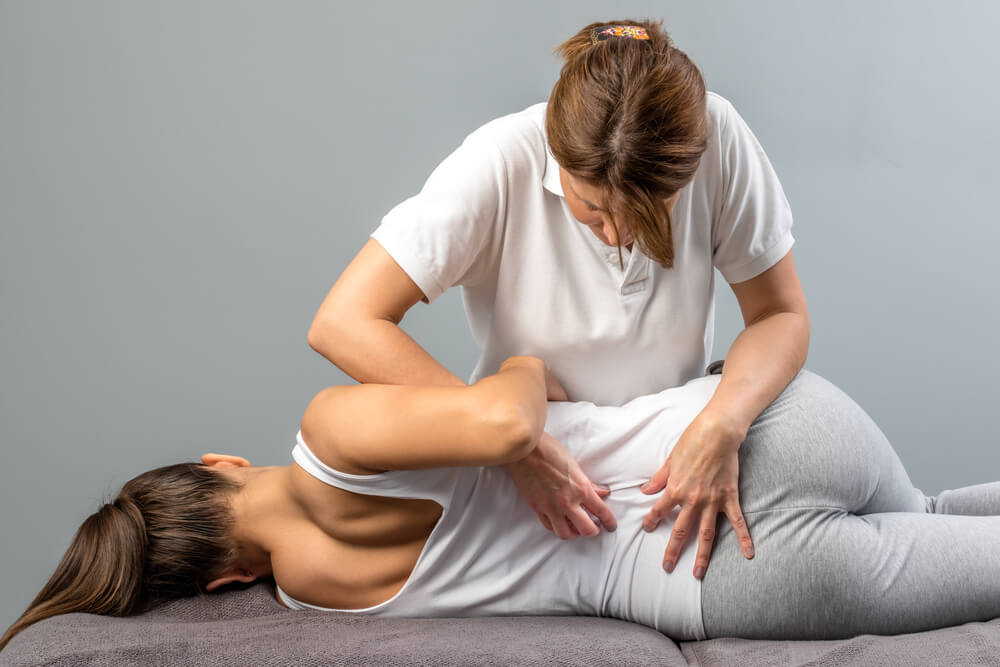
In this technique, the physiotherapist uses their hands to gently move or massage muscles and joints to reduce pain and improve mobility.
4. Heat and Cold Therapy
- Heat therapy relaxes tight muscles
- Cold therapy reduces swelling and inflammation
5. Posture Training
You are taught how to maintain a correct posture while sitting, standing, sleeping, and lifting objects.
Simple Physiotherapy Exercises for Lower Back Pain
Here are some easy exercises often recommended in physiotherapy. These should be done slowly and carefully.
1. Pelvic Tilt Exercise
- Lie on your back with knees bent
- Tighten your stomach muscles
- Press your lower back gently into the floor
- Hold for a few seconds and relax
This strengthens your core muscles.
2. Knee-to-Chest Stretch
- Lie on your back
- Pull one knee toward your chest
- Hold for 15–20 seconds
- Switch legs
This reduces stiffness in the lower back.
3. Cat-Cow Stretch
- Get on your hands and knees
- Arch your back upward like a cat
- Then slowly lower it downward
- Repeat gently
This improves spine flexibility.
4. Bridge Exercise
- Lie on your back with knees bent
- Lift your hips slowly upward
- Hold for a few seconds
- Lower down slowly
This strengthens back and glute muscles.
Benefits of Physiotherapy for Lower Back Pain
Physiotherapy offers many benefits beyond pain relief.
1. Natural Healing
It avoids unnecessary medicines and promotes natural recovery.
2. Better Movement
You can move freely without stiffness or discomfort.
3. Stronger Muscles
Stronger back muscles support your spine better.
4. Improved Daily Life
Simple activities like walking, sitting, and bending become easier.
5. Prevents Future Pain
Learning proper movement habits reduces the risk of future injuries.
Who Should Try Physiotherapy?
Physiotherapy is helpful for many types of people, including:
- Office workers with long sitting hours
- People with chronic back pain
- Athletes recovering from injuries
- Elderly individuals with stiffness
- Anyone with posture-related back issues
It is a safe and non-invasive treatment suitable for most people.
Tips to Support Physiotherapy Treatment
To get better results, you should also follow healthy habits:
- Avoid sitting for too long without breaks
- Maintain correct posture while working
- Sleep on a supportive mattress
- Stay active with light walking
- Do your exercises regularly
- Drink enough water and stay healthy
These small changes make a big difference in recovery.
How Long Does Recovery Take?
Recovery time depends on the cause and severity of pain. Some people feel better in a few weeks, while others may need months of regular physiotherapy.
The key is consistency. Skipping exercises or stopping treatment too early can slow down recovery.
Conclusion
Physiotherapy for lower back pain is one of the safest and most effective ways to treat pain without surgery or long-term medication. It not only reduces discomfort but also strengthens your body and improves your overall movement.
By focusing on exercise, posture correction, and proper care, physiotherapy helps you recover naturally and prevents future pain. It teaches you how to take control of your health and live a more active, pain-free life.
If you are struggling with lower back pain, physiotherapy can be a life-changing solution when done properly and consistently.
FAQs
1. Is physiotherapy painful for lower back pain?
No, physiotherapy is usually gentle. You may feel mild discomfort during stretching, but it should not be painful.
2. How many physiotherapy sessions are needed for back pain?
It depends on the condition. Some people need a few sessions, while others may require several weeks of treatment.
3. Can I do physiotherapy exercises at home?
Yes, many exercises can be done at home after proper guidance from a physiotherapist.
4. Is physiotherapy better than painkillers?
Physiotherapy treats the root cause of pain, while painkillers only provide temporary relief. So physiotherapy is better for long-term recovery.
5. When should I see a physiotherapist for back pain?
If your pain lasts more than a few days, keeps coming back, or affects daily activities, you should consult a physiotherapist.