
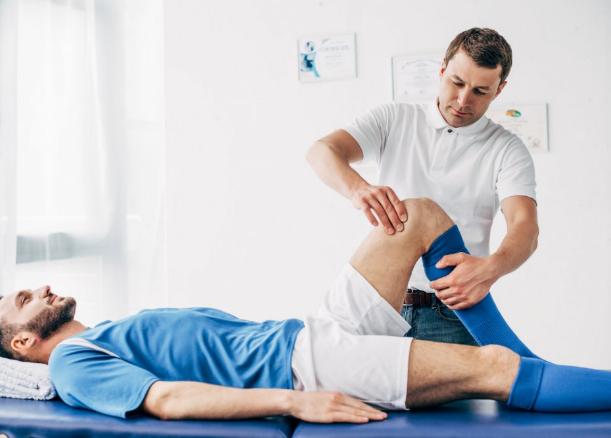
After intense workouts, long training sessions, or competitive sports, the body needs time to recover. Muscles feel tight, fatigue builds up, and sometimes even small injuries or soreness appear. This is where sports massage recovery becomes very helpful.
Many athletes, gym-goers, and active people use sports massage not as a luxury, but as a smart recovery tool. It helps the body heal faster, reduces pain, and improves future performance. In simple words, it is a way to take care of your muscles so they can keep working better for you.
In this article, we will explain what sports massage recovery is, how it works, its benefits, and why it is important for anyone who exercises regularly.
What Is Sports Massage Recovery?
Sports massage recovery is a special type of massage designed to help muscles recover after physical activity. It focuses on muscles that are stressed, overused, or slightly injured during exercise.
Unlike a relaxation massage, which mainly focuses on stress relief, sports massage is more targeted. It uses a mix of techniques like:
- Deep pressure strokes
- Muscle stretching
- Trigger point therapy
- Friction techniques
The goal is not just relaxation—it is healing and recovery.
Why Recovery Matters After Exercise
When you exercise, especially during strength training or sports, tiny tears form in your muscle fibers. This is normal and actually helps muscles grow stronger. But after exercise, your body needs time and care to repair those muscles.
Without proper recovery, you may experience:
- Muscle soreness
- Stiffness
- Reduced performance
- Higher risk of injury
- Fatigue that lasts longer
Sports massage helps speed up this recovery process naturally.
How Sports Massage Recovery Works
Sports massage improves recovery in several important ways:
1. Improves Blood Circulation
Massage increases blood flow to the muscles. This brings more oxygen and nutrients, which are needed for repair.
2. Removes Waste Products
After exercise, the body produces lactic acid and other waste products. Massage helps flush them out faster.
3. Reduces Muscle Tightness
Tight muscles can limit movement and cause pain. Massage helps loosen them and restore flexibility.
4. Breaks Down Muscle Knots
Sometimes, small tight areas called “knots” form in muscles. Sports massage helps release these knots.
5. Reduces Inflammation
Gentle pressure can help reduce swelling and inflammation in tired muscles.
Key Benefits of Sports Massage Recovery
Sports massage offers many benefits, especially for active people.
1. Faster Muscle Recovery
One of the biggest advantages is quicker healing after workouts or sports events.
2. Less Muscle Pain (DOMS)
Delayed Onset Muscle Soreness (DOMS) is common after intense exercise. Sports massage can reduce this discomfort.
3. Better Flexibility
Loose muscles move more freely, improving flexibility and range of motion.
4. Injury Prevention
Regular massage helps identify tight or weak areas before they become serious injuries.
5. Improved Performance
When your body recovers well, you perform better in your next workout or game.
6. Mental Relaxation
Even though it is focused on muscles, sports massage also helps reduce stress and improve mental focus.
When Should You Get a Sports Massage?
Timing is important in sports massage recovery. You can get it at different stages:
1. Pre-Workout Massage
A light massage before exercise can warm up muscles and improve performance.
2. Post-Workout Massage
This is the most common type. It helps reduce soreness and speed up recovery.
3. Maintenance Massage
Even on rest days, massage helps keep muscles healthy and flexible.
4. Injury Recovery Massage
If you have a minor strain or tight muscle, massage can support healing (with professional advice).
What Happens During a Sports Massage Session?
If you are new to sports massage, here is what you can expect:
1. Assessment
The therapist will ask about your activity level, pain areas, and training routine.
2. Targeted Treatment
Unlike full-body relaxation massage, sports massage focuses on specific muscles used in your sport or workout.
3. Pressure Techniques
The therapist may use deeper pressure to reach muscle layers and release tension.
4. Stretching Movements
Some sessions include assisted stretching to improve flexibility.
5. Recovery Advice
At the end, you may get advice on hydration, rest, and exercises.
Common Areas Treated in Sports Massage
Sports massage usually focuses on muscles that are used most during activity:
- Legs (quads, hamstrings, calves)
- Lower back
- Shoulders
- Neck
- Arms
For runners, legs are the main focus. For gym athletes, shoulders and back are often treated.
Who Should Use Sports Massage Recovery?
Sports massage is not only for professional athletes. It is useful for:
- Gym beginners and fitness lovers
- Runners and cyclists
- Football and cricket players
- People doing heavy physical work
- Anyone with muscle soreness after exercise
Even if you exercise lightly, it can still help your body recover better.
How Often Should You Get Sports Massage?
The frequency depends on your activity level:
- Intense athletes → 1–2 times per week
- Regular gym users → once every 1–2 weeks
- Light exercisers → once a month
The key is consistency. Regular massage works better than occasional sessions.
Things to Do After Sports Massage
To get the best results, follow these simple steps:
- Drink plenty of water
- Avoid heavy workouts for 24 hours
- Rest your body
- Do light stretching if needed
- Eat healthy foods for muscle repair
Myths About Sports Massage Recovery
There are some common misunderstandings:
Myth 1: It is only for athletes
Not true. Anyone who exercises can benefit.
Myth 2: It must be painful to work
Good sports massage may feel deep but should not be unbearable.
Myth 3: One session is enough
Regular sessions give better long-term results.
Final Thoughts
Sports massage recovery is a powerful tool for anyone who wants to stay active, healthy, and injury-free. It is not just about relaxing the body—it is about helping muscles heal, grow, and perform better.
Whether you are lifting weights, running daily, playing sports, or simply trying to stay fit, your body goes through stress. A sports massage helps reduce that stress and keeps your muscles in top condition.
If you take your fitness seriously, then recovery should be just as important as exercise itself. And sports massage is one of the simplest, most effective ways to support that recovery journey.
FAQs
1. What is sports massage recovery used for?
It is used to help muscles recover after exercise by reducing pain, improving blood flow, and speeding up healing.
2. Is sports massage painful?
It can feel deep and firm, but it should not be extremely painful. You can always adjust pressure with the therapist.
3. How long does recovery take after a sports massage?
Many people feel relief immediately, while full benefits are noticed within 24–48 hours.
4. Can beginners get sports massage?
Yes, it is safe for beginners and even helpful for reducing early workout soreness.
5. Should I rest after a sports massage?
Yes, light rest is recommended. Avoid intense exercise for at least a day for best recovery results.