
Common Mistakes to Avoid
Starting a home workout routine is exciting, but many people make small mistakes that slow their progress or increase the risk of injury. Avoiding these common errors can help you get better results.
1. Skipping the Warm-Up
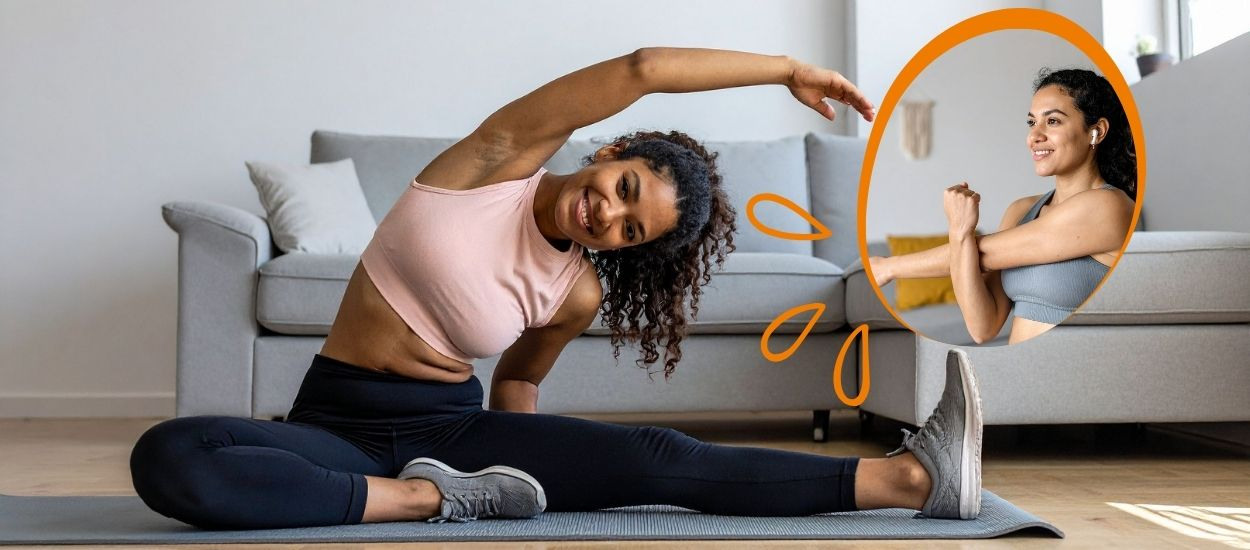
Never start exercising without warming up. A 5–10 minute warm-up prepares your muscles, increases blood flow, and reduces the chance of injury. Simple movements like arm circles, jumping jacks, and light jogging in place are great choices.
2. Using Poor Form
Doing exercises too quickly or with incorrect posture can lead to muscle strain. Focus on performing each movement slowly and correctly. Good technique is more important than doing many repetitions.
3. Not Staying Consistent
Working out once a week will not produce noticeable results. Aim to exercise at least four or five days each week. Even a 20-minute workout can make a difference when done consistently.
4. Ignoring Rest Days
Your muscles need time to recover after exercise. Rest days allow your body to repair and grow stronger. Include one or two recovery days each week.
5. Forgetting About Nutrition
Exercise alone is not enough. Eating healthy foods gives your body the energy it needs and supports muscle recovery.
How to Stay Motivated
Motivation can come and go, but building healthy habits will help you stay on track.
Here are a few simple ways to stay motivated:
- Set realistic fitness goals.
- Create a weekly workout schedule.
- Track your progress in a notebook or fitness app.
- Reward yourself when you reach a milestone.
- Exercise with a friend or family member.
- Listen to your favorite music while working out.
- Remember why you started your fitness journey.
Even on busy days, doing a short workout is better than skipping it completely.
Can Home Workouts Help You Lose Weight?
Yes. A home workout without equipment can help you burn calories and lose weight when combined with a healthy diet.
Exercises like squats, lunges, burpees, mountain climbers, and jumping jacks increase your heart rate, helping your body burn more calories. Over time, regular exercise combined with portion control and nutritious meals can lead to steady weight loss.
Remember, healthy weight loss takes time. Focus on building long-term habits rather than looking for quick fixes.
Healthy Eating Tips for Better Results
Nutrition plays a major role in reaching your fitness goals. Eating balanced meals helps your body recover after exercise and provides the energy needed for your workouts.
Try to include:
- Lean protein such as chicken, fish, eggs, beans, or yogurt.
- Whole grains like oats, brown rice, and whole wheat bread.
- Fresh fruits and vegetables every day.
- Healthy fats from nuts, seeds, and avocados.
- Plenty of water to stay hydrated.
Avoid eating too many sugary snacks, soft drinks, and highly processed foods, as they can slow your progress.
Weekly Home Workout Plan
If you are unsure where to begin, here is a simple weekly plan.
Monday: Full-body workout (Push-ups, Squats, Planks)
Tuesday: Cardio exercises (Jumping Jacks, High Knees, Mountain Climbers)
Wednesday: Active recovery with stretching or yoga
Thursday: Lower-body workout (Squats, Lunges, Glute Bridges)
Friday: Upper-body and core workout (Push-ups, Planks, Shoulder Taps)
Saturday: Full-body circuit workout
Sunday: Rest and recovery
Adjust the intensity based on your fitness level and gradually increase the number of repetitions or workout time as you become stronger.
Benefits Beyond Physical Fitness
Regular home workouts improve more than just your body. They also have a positive impact on your mental and emotional well-being.
Some additional benefits include:
- Reduced stress and anxiety
- Improved mood
- Better sleep quality
- Increased confidence
- Higher energy levels
- Better focus and productivity
Exercise releases natural chemicals called endorphins, which help you feel happier and more relaxed.
Final Thoughts
A home workout without equipment is one of the simplest and most effective ways to improve your health. You do not need expensive gym memberships or special machines to become stronger, lose weight, or increase your fitness level.
By staying consistent, following proper exercise techniques, eating nutritious foods, and giving your body enough rest, you can achieve excellent results from the comfort of your home. Start with simple bodyweight exercises, stay patient, and celebrate every small improvement along the way. Fitness is a journey, and every workout brings you one step closer to a healthier and happier life.
Frequently Asked Questions (FAQs)
1. Can I build muscle with a home workout without equipment?
Yes. Bodyweight exercises such as push-ups, squats, lunges, and planks can build strength and muscle, especially for beginners. Increasing repetitions and trying more challenging exercise variations will continue to improve results.
2. How long should a home workout last?
A workout lasting 20–45 minutes is enough for most people. The key is consistency rather than spending hours exercising.
3. Is it okay to work out every day?
Light exercise can be done daily, but intense workouts should be balanced with rest or active recovery days to allow muscles to recover.
4. What is the best time to exercise at home?
The best time is whenever you can stay consistent. Morning, afternoon, or evening workouts are all effective if they fit your schedule.
5. How soon will I see results?
Many people notice increased energy and improved fitness within a few weeks. Visible changes in strength, endurance, or weight often appear after 6–8 weeks of regular exercise and healthy eating.