
Introduction
Hair loss is a common problem that affects millions of people worldwide. It can happen to men, women, and even teenagers. Losing a few strands of hair every day is normal, but excessive hair fall can become a serious concern. Hair loss may affect your appearance, confidence, and emotional well-being. Many people try home remedies, expensive shampoos, or supplements without knowing the real cause of their hair loss. Unfortunately, these solutions do not always work.
The best way to find the right treatment is by visiting a dermatologist for hair loss. A dermatologist is a medical doctor who specializes in diagnosing and treating conditions related to the skin, hair, and nails. They can identify the exact reason behind your hair loss and recommend treatments that are supported by medical research.
In this article, you’ll learn why a dermatologist is the best specialist for hair loss, common causes of hair thinning, available treatments, prevention tips, and when it’s time to schedule an appointment.
What Is Hair Loss?
Hair loss, also called alopecia, is a condition where hair falls out faster than it grows back. While losing 50 to 100 hairs a day is considered normal, excessive shedding can lead to noticeable thinning or bald patches.
Hair loss can occur suddenly or gradually. It may affect only the scalp or the entire body depending on the cause.
Some people experience temporary hair loss, while others develop permanent hair thinning if the underlying problem is not treated early.
Why Should You See a Dermatologist for Hair Loss?
Many factors can cause hair loss, making self-diagnosis difficult. A dermatologist has the knowledge and medical tools needed to determine the exact cause.
Benefits of visiting a dermatologist include:
- Accurate diagnosis
- Personalized treatment plan
- Early detection of medical conditions
- Access to prescription medications
- Professional scalp evaluation
- Long-term monitoring of hair growth
Instead of wasting money on products that promise unrealistic results, a dermatologist recommends treatments based on your specific condition.
Common Causes of Hair Loss
Understanding the cause is the first step toward successful treatment.
1. Genetics
The most common cause of hair loss is hereditary baldness. It affects both men and women and usually develops gradually with age.
Symptoms
- Receding hairline
- Thinning on the crown
- Widening part in women
2. Hormonal Changes
Hormones play an important role in hair growth.
Hair loss may occur due to:
- Pregnancy
- Childbirth
- Menopause
- Thyroid disorders
- Polycystic Ovary Syndrome (PCOS)
A dermatologist may recommend blood tests to identify hormonal imbalances.
3. Stress
Physical and emotional stress can push hair follicles into a resting phase, causing excessive shedding.
Common stress triggers include:
- Surgery
- Serious illness
- Emotional trauma
- High work pressure
The good news is that stress-related hair loss is often temporary.
4. Nutritional Deficiencies
Your hair needs vitamins and minerals to grow properly.
Hair loss can occur due to low levels of:
- Iron
- Vitamin D
- Zinc
- Protein
- Vitamin B12
A balanced diet plays an important role in maintaining healthy hair.
5. Scalp Conditions
Several scalp disorders may damage hair follicles.
Examples include:
- Dandruff
- Psoriasis
- Fungal infections
- Seborrheic dermatitis
Treating the scalp condition often improves hair growth.
6. Medical Conditions
Certain illnesses may cause hair loss.
These include:
- Autoimmune diseases
- Lupus
- Diabetes
- Thyroid disease
- Anemia
A dermatologist works with other healthcare providers if necessary.
Symptoms That Require a Dermatologist
Consider seeing a dermatologist if you notice:
- Sudden hair loss
- Bald patches
- Persistent scalp itching
- Painful scalp
- Excessive hair shedding
- Hair becoming thinner over time
- Hair loss after illness
- Family history of baldness
Early treatment often produces better results.
How a Dermatologist Diagnoses Hair Loss
Diagnosis involves more than simply looking at your hair.
A dermatologist may perform:
Medical History
You’ll be asked about:
- Family history
- Recent illnesses
- Medications
- Stress levels
- Diet
- Hair care routine
Physical Examination
The dermatologist examines:
- Hair density
- Scalp health
- Hairline
- Pattern of hair loss
Pull Test
A gentle pull helps determine how much hair is shedding.
Blood Tests
These tests check for:
- Iron deficiency
- Thyroid problems
- Vitamin deficiencies
- Hormonal imbalance
Scalp Biopsy
In rare cases, a tiny skin sample is taken to identify certain scalp diseases.
Hair Loss Treatments Recommended by Dermatologists
Treatment depends entirely on the cause.
1. Prescription Medications
Dermatologists may prescribe medications that help slow hair loss and encourage regrowth.
Treatment usually takes several months before noticeable improvement appears.
2. Topical Treatments
Special medicated solutions are applied directly to the scalp.
These help improve blood flow to hair follicles and stimulate growth.
Consistency is important for success.
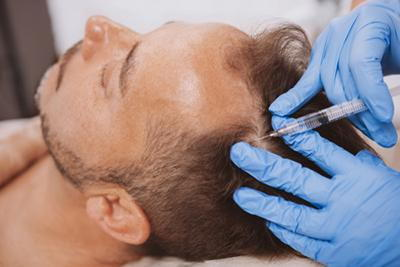
3. Platelet-Rich Plasma (PRP) Therapy
PRP therapy uses a small amount of your own blood.
The platelets are concentrated and injected into the scalp to stimulate hair follicles.
Many patients notice thicker hair after multiple sessions.
4. Low-Level Laser Therapy
Laser devices use gentle light energy to improve hair follicle activity.
This painless treatment may benefit individuals with early-stage hair thinning.
5. Hair Transplant Surgery
For permanent hair loss, hair transplant surgery may be recommended.
Healthy hair follicles are moved from one area of the scalp to another.
Results look natural when performed by experienced specialists.
6. Treating Underlying Conditions
If hair loss is caused by thyroid disease, anemia, infections, or nutritional deficiencies, treating the underlying problem often improves hair growth.
Lifestyle Tips for Healthier Hair
Simple daily habits can protect your hair.
Eat a Healthy Diet
Include foods rich in:
- Eggs
- Fish
- Lean meat
- Spinach
- Nuts
- Beans
- Fruits
- Vegetables
Protein is especially important because hair is made primarily of keratin, a type of protein.
Avoid Tight Hairstyles
Tight ponytails and braids can pull hair from the roots.
Choose looser hairstyles whenever possible.
Reduce Heat Styling
Frequent use of:
- Hair straighteners
- Curling irons
- Blow dryers
can weaken hair over time.
Wash Hair Properly
Use a mild shampoo suitable for your hair type.
Avoid harsh chemicals and excessive washing.
Manage Stress
Stress management techniques include:
- Walking
- Yoga
- Meditation
- Deep breathing
- Regular exercise
Healthy mental health often contributes to healthier hair.
Sleep Well
Aim for 7 to 9 hours of quality sleep every night.
The body repairs itself during sleep, including hair follicles.
Can Hair Loss Be Prevented?
Not every type of hair loss can be prevented, especially genetic hair loss.
However, you can reduce your risk by:
- Eating nutritious foods
- Avoiding smoking
- Managing stress
- Treating scalp infections early
- Avoiding harsh chemical treatments
- Protecting hair from excessive heat
- Seeing a dermatologist when symptoms first appear
Early intervention offers the best chance for successful treatment.
Myths About Hair Loss
Myth 1: Wearing Hats Causes Hair Loss
False.
Hats do not stop hair growth or damage hair follicles.
Myth 2: Shampoo Causes Hair Loss
False.
Hair seen during washing has usually already detached from the scalp.
Myth 3: Hair Loss Only Affects Men
False.
Millions of women also experience significant hair thinning.
Myth 4: Cutting Hair Makes It Grow Faster
False.
Hair grows from the follicles beneath the skin, not from the ends.
Myth 5: Hair Loss Cannot Be Treated
False.
Many modern treatments successfully slow hair loss and stimulate regrowth when started early.
When Should You Book an Appointment?
Do not ignore ongoing hair loss.
Visit a dermatologist if:
- Hair loss lasts longer than three months
- You notice bald spots
- Your scalp becomes painful or itchy
- Hair falls out in large amounts
- Hair thinning affects your confidence
- Over-the-counter products are not helping
Professional evaluation helps identify problems before permanent damage occurs.
Conclusion
Hair loss is more than a cosmetic concern. It can be a sign of an underlying medical condition, nutritional deficiency, hormonal imbalance, or genetic factor. While many products claim to stop hair loss, the most effective approach is getting a professional diagnosis.
A dermatologist for hair loss has the expertise to identify the exact cause of your hair thinning and recommend treatments that are safe, effective, and tailored to your needs. Whether your hair loss is temporary or long-term, early medical attention can greatly improve your chances of restoring healthy hair.
Instead of guessing the cause or relying on unproven remedies, consult a dermatologist and take the first step toward healthier, stronger hair.
Frequently Asked Questions (FAQs)
1. Can a dermatologist really help with hair loss?
Yes. Dermatologists specialize in hair and scalp disorders. They can diagnose the cause of hair loss and recommend personalized treatments that may slow shedding and promote new growth.
2. When should I see a dermatologist for hair loss?
You should schedule an appointment if you notice excessive shedding, bald patches, thinning hair, scalp irritation, or hair loss that continues for several weeks without improvement.
3. How long does hair loss treatment take?
Most treatments require patience. Visible improvement often takes three to six months, while some people may need longer depending on the cause and treatment plan.
4. Can stress cause permanent hair loss?
Stress-related hair loss is usually temporary. Once stress levels decrease and overall health improves, hair often begins to grow back. However, chronic stress may worsen existing hair loss conditions.
5. Is hair transplant surgery the only permanent solution?
Hair transplant surgery is one option for certain types of permanent hair loss, but many people achieve good results with medications, topical treatments, PRP therapy, and lifestyle changes without needing surgery.