
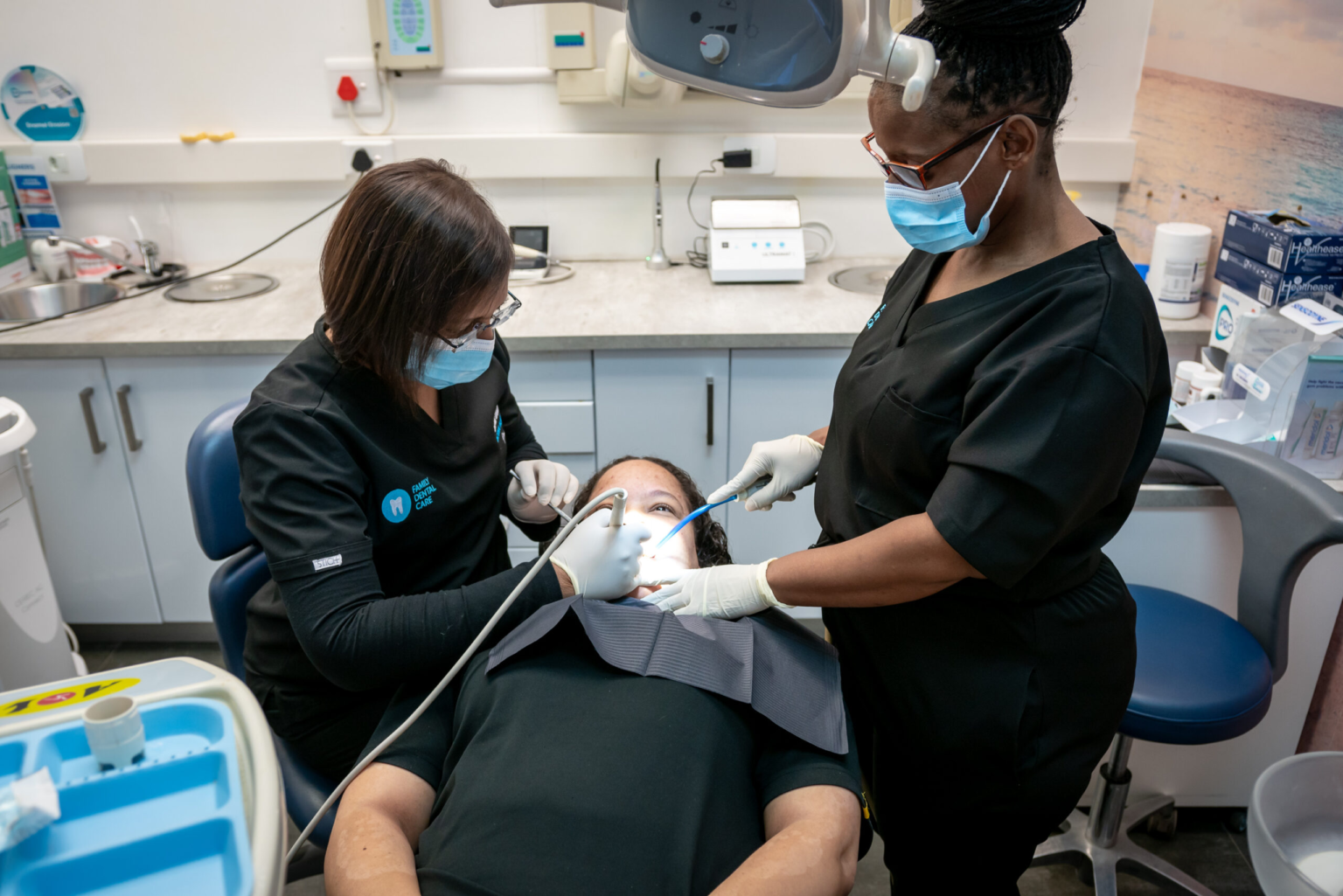
Introduction
Dental emergencies can happen at any time. You may wake up with severe tooth pain, break a tooth while eating, lose a filling, or have an accident that damages your teeth. These situations can be painful, stressful, and sometimes even frightening. When this happens, many people immediately search online for “emergency dental clinic near me” because they need quick treatment from a trusted dental professional.
An emergency dental clinic is designed to provide fast care for urgent dental problems. Unlike routine dental appointments, emergency services focus on relieving pain, preventing infection, and saving damaged teeth whenever possible.
This guide explains what an emergency dental clinic is, when you should visit one, what treatments are available, how to find the right clinic, and how to prevent dental emergencies in the future.
What Is an Emergency Dental Clinic?
An emergency dental clinic is a dental practice that treats urgent oral health problems requiring immediate attention. Many emergency clinics offer same-day appointments, extended office hours, weekend services, or even 24-hour emergency care.
The main goal of an emergency dentist is to:
- Relieve severe pain
- Stop bleeding
- Treat infections
- Repair damaged teeth
- Prevent further complications
- Restore your oral health as quickly as possible
Prompt treatment can often save a tooth and reduce the need for more complex procedures later.
Common Dental Emergencies
Knowing what qualifies as a dental emergency helps you decide when to seek immediate care.
Severe Toothache
A toothache that becomes intense or does not go away may indicate tooth decay, infection, or an abscess. If pain medicine does not help, visit an emergency dental clinic as soon as possible.
Broken or Chipped Tooth
A fall, sports injury, or biting something hard can break a tooth. Even a small crack should be examined because bacteria can enter the damaged area and cause infection.
Knocked-Out Tooth
A knocked-out tooth is one of the most serious dental emergencies. If treated quickly, the tooth may be successfully placed back into its socket.
Try to keep the tooth clean, avoid touching the root, and seek emergency dental care immediately.
Lost Filling or Crown
When a filling or crown falls out, the exposed tooth becomes sensitive and vulnerable to further damage. An emergency dentist can repair or replace it before the problem worsens.
Dental Abscess
A dental abscess is a serious infection that forms near the root of a tooth or in the gums.
Common symptoms include:
- Swelling
- Severe pain
- Fever
- Bad taste in the mouth
- Pus around the tooth
An untreated abscess can spread to other parts of the body, making immediate treatment essential.
Bleeding Gums After Injury
Minor gum bleeding from brushing usually is not an emergency. However, heavy bleeding after an accident or injury requires immediate dental attention.
Signs You Should Visit an Emergency Dental Clinic
You should seek urgent dental care if you experience:
- Severe tooth pain
- Swelling of the face or jaw
- Knocked-out tooth
- Broken tooth with pain
- Loose adult tooth
- Persistent bleeding
- Signs of infection
- Difficulty chewing due to injury
Ignoring these symptoms can lead to more serious complications.
How to Find the Best Emergency Dental Clinic Near You
When searching for an emergency dental clinic, consider these important factors.
Same-Day Appointments
Choose a clinic that offers same-day or walk-in emergency appointments. Quick treatment can make a significant difference.
Experienced Dentists
Look for qualified dentists with experience handling emergency cases such as trauma, infections, and severe pain.
Modern Equipment
Clinics with digital X-rays and advanced dental technology can diagnose problems more accurately and begin treatment faster.
Positive Patient Reviews
Reading online reviews helps you understand how previous patients felt about the clinic’s care, professionalism, and response time.
Convenient Location
Selecting a clinic close to your home or workplace can reduce travel time during a painful emergency.
What Happens During an Emergency Dental Visit?
If you’ve never visited an emergency dental clinic before, here’s what you can usually expect.
Step 1: Examination
The dentist asks about your symptoms and examines your teeth, gums, and mouth.
Step 2: Dental X-Rays
X-rays help identify hidden problems such as infections, fractures, or damage below the gum line.
Step 3: Diagnosis
The dentist explains the cause of your problem and recommends the most appropriate treatment.
Step 4: Immediate Treatment
Depending on the emergency, treatment may include pain relief, temporary repair, infection control, or a permanent solution.
Common Emergency Dental Treatments
Emergency dentists perform many different procedures.
These include:
- Tooth fillings
- Root canal treatment
- Tooth extraction
- Crown replacement
- Broken tooth repair
- Dental bonding
- Gum infection treatment
- Abscess drainage
- Emergency cleaning
- Pain management
The exact treatment depends on your condition and its severity.
How Much Does Emergency Dental Care Cost?
The cost varies depending on:
- Type of treatment
- Clinic location
- Severity of the problem
- Required X-rays
- Dental insurance coverage
Simple repairs generally cost less than advanced treatments like root canals or extractions.
Many dental clinics also offer payment plans to help patients manage treatment expenses.
What to Do Before Reaching the Dentist
Taking the right steps before your appointment can help reduce discomfort.
For Tooth Pain
- Rinse your mouth with warm salt water.
- Brush gently around the affected tooth.
- Avoid extremely hot or cold foods.
For a Knocked-Out Tooth
- Hold the tooth by the crown only.
- Rinse it gently if dirty.
- Place it in milk or saliva if possible.
- Visit an emergency dentist immediately.
For a Broken Tooth
- Rinse your mouth with warm water.
- Save any broken pieces.
- Apply a cold compress to reduce swelling.
For Bleeding
Use clean gauze and apply gentle pressure until you receive professional care.
How to Prevent Dental Emergencies
Although not every emergency can be avoided, healthy habits reduce your risk.
Brush and Floss Daily
Good oral hygiene prevents tooth decay and gum disease.
Visit Your Dentist Regularly
Routine dental checkups help detect small problems before they become emergencies.
Wear a Mouthguard
If you play contact sports, wear a mouthguard to protect your teeth.
Avoid Chewing Hard Objects
Ice cubes, hard candy, and popcorn kernels can crack teeth.
Don’t Ignore Small Problems
Treating a minor cavity early is much easier than dealing with severe pain or infection later.
Why Quick Treatment Matters
Many dental emergencies become worse if treatment is delayed.
For example:
- A small cavity can turn into a painful infection.
- A cracked tooth may split completely.
- An abscess can spread beyond the mouth.
- A knocked-out tooth has the best chance of being saved when treated quickly.
Seeking immediate care often reduces pain, lowers treatment costs, and improves the chances of saving your natural teeth.
Tips for Choosing a Trusted Emergency Dental Clinic
Before an emergency happens, it’s helpful to know where you would go.
Look for a clinic that offers:
- Same-day emergency appointments
- Experienced dental professionals
- Modern dental equipment
- Clear pricing
- Positive patient reviews
- Friendly and caring staff
- Convenient location
- Flexible payment options
Being prepared can save valuable time during a dental emergency.
Conclusion
Searching for an “emergency dental clinic near me” is often the first step when sudden tooth pain or a dental injury occurs. Emergency dental clinics provide fast, professional care to relieve pain, treat infections, repair damaged teeth, and protect your long-term oral health.
Whether you have a severe toothache, a broken tooth, a lost crown, or a knocked-out tooth, getting prompt treatment can prevent complications and improve your chances of a full recovery. Regular dental checkups, good oral hygiene, and healthy habits also play an important role in preventing many dental emergencies. By knowing where to go and what to do, you can handle unexpected dental problems with confidence and protect your smile.
Frequently Asked Questions (FAQs)
1. What qualifies as a dental emergency?
A dental emergency includes severe tooth pain, a knocked-out tooth, uncontrolled bleeding, facial swelling, a broken tooth with pain, or signs of a serious infection such as an abscess.
2. Can I visit an emergency dental clinic without an appointment?
Many emergency dental clinics accept walk-in patients or offer same-day appointments. However, calling ahead can help confirm availability and reduce waiting time.
3. What should I do if my tooth gets knocked out?
Pick up the tooth by the crown, avoid touching the root, rinse it gently if needed, place it in milk or saliva, and visit an emergency dentist immediately. Fast treatment offers the best chance of saving the tooth.
4. Does emergency dental treatment cost more than regular dental care?
The cost depends on the type of treatment and the severity of the problem. Emergency visits may include additional charges for urgent care, but treating the issue early can prevent more expensive procedures later.
5. How can I reduce the risk of dental emergencies?
Maintain good oral hygiene, visit your dentist regularly, wear a mouthguard during sports, avoid chewing hard objects, and seek treatment for small dental problems before they become serious.